For many women, GLP-1 medications have made weight loss finally feel possible. Weight that has been stuck for years starts coming off. Cravings feel more manageable and life can feel a little easier to deal with day to day.
But the changes go beyond the scale, too. The women I work with tell me they are walking more comfortably, keeping up with their kids or grandkids better, planning trips they used to avoid, or doing things they talked themselves out of for years because of how uncomfortable they once felt in their body. Some have started shopping for smaller sizes for the first time in a long time. Others are realizing they have more confidence and energy, and they are starting to join in on things again instead of sitting back and watching their family members do fun things without them.
Those changes are literally life changing and should absolutely be celebrated. But at the same time, we also need to be realistic about what these medications can and cannot do. While the medication is helping the weight come off, your body is also adapting to those changes behind the scenes, which is why movement, nourishment, strength, and consistency all play such an important role in your long-term health.
What’s the Difference Between Semaglutide and Tirzepatide?
Semaglutide (Wegovy, Ozempic) copies a hormone your body already makes called GLP-1 (glucagon-like peptide-1). GLP-1 is produced mostly in the gut after you eat and works with the brain and other organs to help regulate hunger, cravings, fullness, and blood sugar.
Tirzepatide (Mounjaro) goes a step further. It is a dual agonist, which means it targets both GLP-1 and GIP (glucose-dependent insulinotropic polypeptide), another gut hormone that helps your body handle insulin and also communicates with hunger and reward centers in the brain.
New medications are already being developed that target more than two hormones. These “triple agonists” may play a role in weight loss and metabolic health in the future.
All of these medications1 were first developed for diabetes. Now they are also prescribed for weight loss when someone meets specific medical criteria, like a higher BMI or other weight-related health risks. These medications do a great job of lowering appetite, reducing thoughts about food, and helping many women finally feel more in control around eating. But they cannot build muscle for you, and that is where resistance training comes in.

Resistance Training
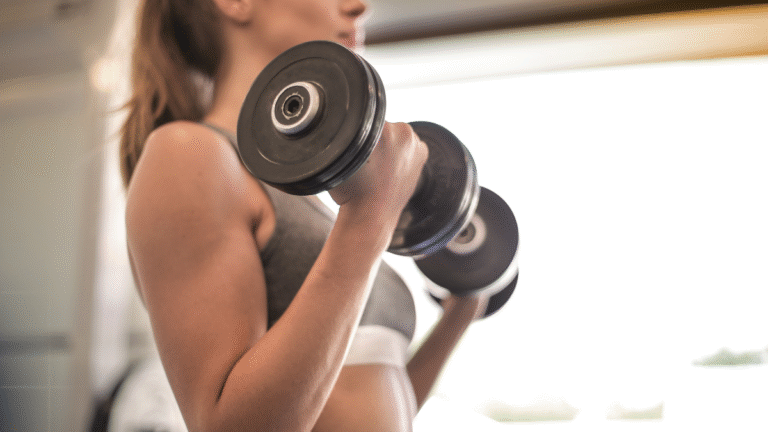
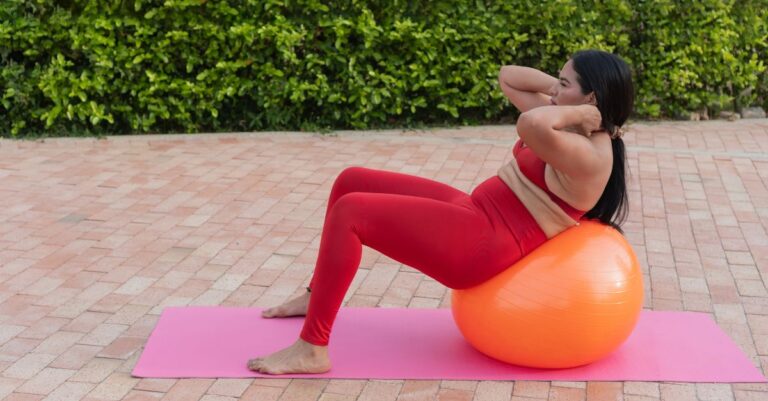
Resistance training is any type of movement that challenges your muscles. That can mean weights, resistance bands, Pilates, bodyweight exercises, TRX, or even just learning how to control and move your own body better over time. Resistance training can support your body in ways that go far beyond weight loss alone.
Feeling Stronger in Your Body
Incorporating some form of resistance training 2-3 times per week is not just about helping protect muscle and bone during weight loss. It can help you feel stronger, move better, and build confidence as your body changes.
When you start exercising consistently, you’ll notice things like how much easier it is to stand up, carry things, walk farther, and just feel steadier overall. Resistance training helps you learn to trust your body more while also improving coordination and balance because your brain and body are constantly learning how to work together during movement.
Mental Health and Routine
The benefits are not only physical either. Consistent movement can help improve mood, lower stress, reduce anxiety and depression symptoms,2 and create more structure and routine in everyday life. Exercise also becomes proof that you are capable of following through on something and taking care of your body in a different way than before.
Finding Movement You Enjoy
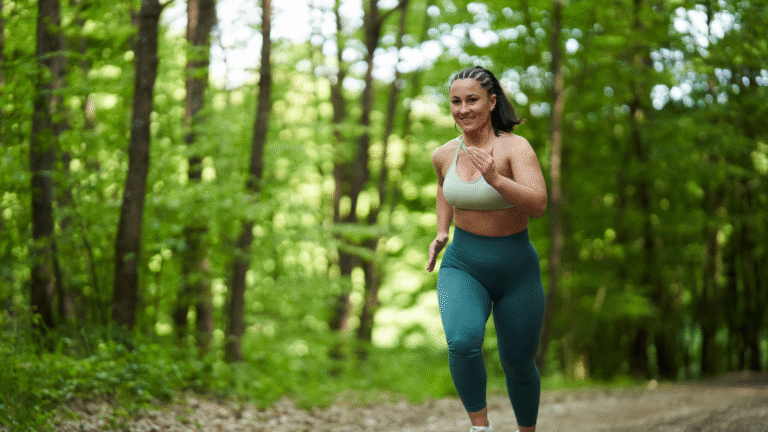
You don’t need a “perfect” workout plan for exercise to help you. At first, walking might be enough. Then slowly adding things like resistance training, swimming, Pilates, dancing, or anything else that gets you moving consistently can benefit both your physical and mental health.
And if you have kids or grandkids, those habits can be passed down. Kids learn how to take care of themselves by watching the people around them. Seeing a parent or grandparent prioritize movement, strength, and health can help change the direction of an entire family over time.
Muscle and Bone Health
Muscles don’t just make you look better. Having more muscle supports:
- Your metabolism
- Blood sugar regulation
- Joints
- Balance
- Energy levels
Bone health is super important, too. Bone responds to movement and resistance just like muscle does. When you lose weight, your bones are not carrying as much anymore, and over time that can mean bone loss. Continuing to challenge your body through exercise helps give your bones a reason to stay strong.
Other Things That Help Support You on GLP-1s
While the medication is helping with weight loss and resistance training is helping keep your muscles and bones healthy, there are other things that can support your health and help you feel better during the process too, like:
Accountability And Support
This is important so you don’t fall into the trap of skipping workouts or meals, or waiting until things get hard before asking for help. Sometimes just knowing someone is expecting you is enough to help you keep going.
You may not need that level of support forever, but right now you’re going through a lot of changes at once. It’s okay to let other people help you stay on track while you’re building new routines and habits. Eventually those habits start feeling more natural and you don’t have to think through every single step the same way you did in the beginning. Especially if this lifestyle is brand new to you, support and accountability can make a huge difference.
Building Self-Awareness
One of the best things about GLP-1 medications is that they can create a really good opportunity to build more self-awareness. You start noticing patterns earlier, like how stress or poor sleep affects your mood, appetite, or energy the next day. Or how your body feels when you are not eating enough versus when you are getting enough protein, fiber, and overall nutrition.
It also helps you pay closer attention to how movement, food, stress, hydration, and recovery affect your daily life and workouts. Over time, that makes it easier to catch small problems early and make adjustments before they turn into bigger ones.
Smart Nutrition and Meal Consistency
You can have a great workout routine and be doing all the “right” things, but if you are barely eating, your body still does not have what it needs to support your health. Even if you are not physically hungry, your muscles, bones, and brain still need fuel.
A lot of women on GLP-1 medications accidentally under-eat without realizing it because appetite drops so much. Then low energy, weakness, dizziness, poor recovery, hair loss, muscle loss, or just feeling off starts showing up later.
That is why nutrition and meal consistency matter so much during GLP-1 weight loss. Your body still needs protein, fiber, healthy fats, vitamins, minerals, and enough overall food to function well. Sometimes that means setting reminders to eat, working with a registered dietitian if needed, or paying closer attention to how long you have gone without food so you are not getting to the end of the day realizing you barely ate anything.
Quick Myth-Busting
“GLP-1s are a cheat code.”
You don’t just give yourself a shot and wait for it to do everything for you. GLP-1s can be incredibly helpful and make change feel more realistic, but they still work best when they’re paired with habits that support your health. Anyone using them knows there is still effort involved, especially if you want to stay strong and feel good long term.
“I’m getting smaller and I’m not hungry, so eating must not be that important anymore.”
GLP-1s work by reducing appetite and food thoughts, and those two things are not exactly the same. Food rumination is the constant thinking about food, what to eat, when to eat, how much to eat, and feeling mentally consumed by it all day. Hunger is your body asking for fuel and nutrients.
Your muscles and bones still need nourishment even if your appetite is low. Eating on more of a schedule can help you learn the difference while your hunger signals are changing.
“I’ll get serious about fitness later.”
It’s okay to take things one step at a time and allow your body and brain to adjust to your new lifestyle. But sometimes waiting too long can actually make things harder while on GLP-1s. Starting with a short resistance training session now is usually better than waiting until you feel ready for an hour-long workout later. And remember that best type of exercise is usually the one you can start and realistically stick with long term.
“If I regain when I stop, the meds didn’t work.”
Some weight fluctuation can happen, and that does not automatically mean the medication failed. Bodies have patterns and set points. What helps protect your progress long term are the habits you build while the medication is helping you. Those habits are what stay with you whether you continue GLP-1s long term, lower your dose, or eventually stop taking them.
Updated 05/09/26
Resources
- Zheng, Z., Zong, Y., Ma, Y. et al. Glucagon-like peptide-1 receptor: mechanisms and advances in therapy. Sig Transduct Target Ther 9, 234 (2024). https://doi.org/10.1038/s41392-024-01931-z ↩︎
- Exercise for Depression as Effective as Meds, Psychotherapy – Medscape – February 27, 2024. https://www.medscape.com/viewarticle/exercise-depression-effective-meds-psychotherapy-2024a10003s0?ecd=a2a ↩︎
Photo Credits
Measuring Tape by rattanakun
Cooking by LightFieldStudios from Getty Images Pro

For many women, GLP-1 medications have made weight...
If you’re living with type 2 diabetes or obesity...

Most women on GLP-1s aren’t avoiding exercise...
When you start taking better care of yourself, the...

Losing weight is not easy, no matter how much...