When you start working with a personal trainer, one of the first things we usually want to find out is your “why.” We want to learn about your goals, both during exercise and in your daily life.
We ask because it helps us understand what matters to you. We want to know if this is something you genuinely want for yourself or something someone else is asking you to do. We’re looking to find out where your motivation is coming from. That may sound cheesy, but your answer matters. It shapes how we train you, the support we offer, and how likely you are to stick with it.
But what if it went both ways and you got to ask your trainer what their “why” is, or why they choose to do this kind of work? I’m guessing you’d hear something like they have a passion for helping people get healthy, or that fitness changed their life and now they want to pass it on.
Those are good answers, but they can feel a little generic, even if they’re wholeheartedly true. That’s because they don’t really go deep enough. If you’re thinking about working with me (or you’ve just started), I think it’s only fair that you know my why. Mine isn’t just about helping people. It’s about who I’ve chosen to help and why I built an entirely different way of doing it.
What My First Career Taught Me About People
For over 20 years, I worked in financial services, often sitting across the table from people making important decisions about money, business, family, and long-term financial security. I learned early on that everyone’s story is different. And if I wanted to really connect with people, I had to meet them where they were.
That meant the way I spoke, the questions I asked, and the solutions I offered had to match the person in front of me. It wasn’t about being fake or changing who I was. It was about adjusting my approach so it made sense to them. And I’ve carried that mindset into every role since, including when I stepped into fitness.
Why Women Using GLP-1s Are at the Center of My Work
Women taking GLP-1 medications are often left out of the fitness conversation entirely. Some people (trainers included) treat women using weight loss medications like they’re cheating the system or taking the easy way out. Others see GLP-1s as a threat to the fitness industry.
That’s never how I saw it.
I chose to work with them because no one else was. They were being misunderstood, judged, or ignored, even though they still need real support. GLP-1s are not a shortcut. And I don’t care how many times we have to say it to get through to those who dismiss this fact: they are a tool. And like any tool, they work best with a strategy and a trainer who understands why some people take them and what they’re really used for.
Women navigating fatigue, body changes, and side effects are often doing so alone. The mental load of adjusting to a new body, new habits, and a new way of living can be really challenging. On top of that, they’re losing muscle faster than expected. They are warned about how serious that can be, but then are sort of left to figure things out on their own.
They don’t just need someone telling them what to do. They need someone who listens and makes them feel safe. They need someone (especially a trainer) who respects their decision to take medication and knows how to train them through it.
That’s what I do. I’m not competing with the medication. I’m here to support the women using it. I want women on GLP-1s to feel stronger, move better, and truly be seen, heard, and trained with care.
I chose to train women on GLP-1s because I believe they deserve a space in fitness that feels built for them, not borrowed from someone else’s plan.
I want them to know that kindness isn’t a weakness, and it doesn’t water down their results. I want them to feel welcome and know that they belong. To experience strength training in a way that feels strong and structured. To see that empathy in training doesn’t require a therapy license, that it takes listening, understanding, and thoughtful design.
What Helping Women Looks Like in My Practice
First, let’s get this out of the way. I’ll never tell you that your goal should be to stop medication. That’s not my lane. And I will never shame you for using science to support your health.
What I will do is listen to you so I can design a program that helps you stay strong, steady, and confident while your body changes. For me, helping isn’t about shouting motivation or handing out random circuits that leave you exhausted just for the sake of it.
Helping means:
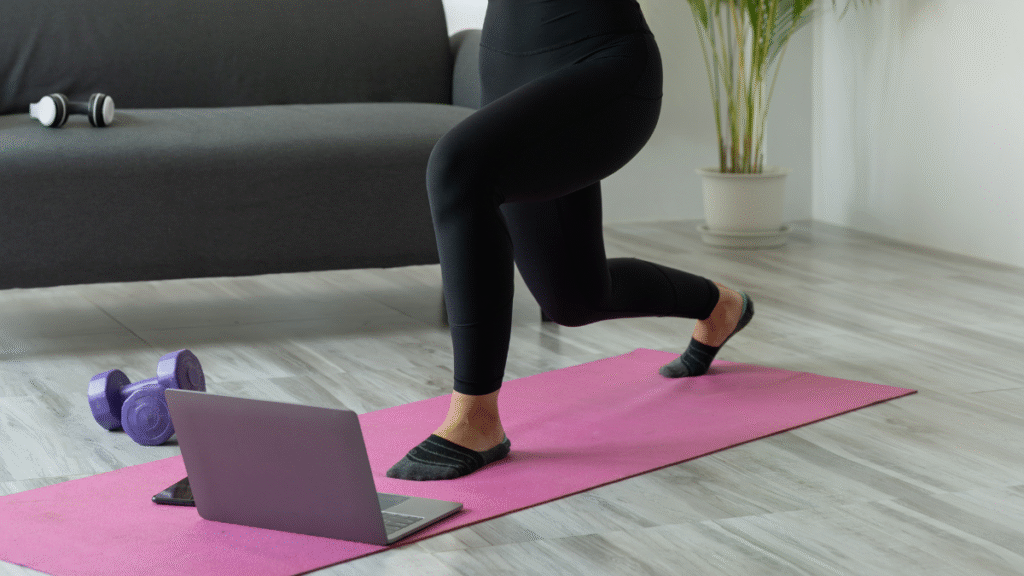
- A Safe Space: Live virtual sessions mean no gym crowds, no stares, no explaining yourself. It’s just you and me.
- Making it Convenient: No commute, no running late, no juggling school drop-off or rushing to work. It’s about you, on your time.
- Flexible Equipment Options: We work with whatever you have, or nothing at all. The focus is on movement, not gear.
- Intentional Structure: Every exercise has a purpose, a foundation, and a progression.
- We Move in Phases: Each one builds on the last to develop strength and confidence without skipping steps.
- Progression Built into Every Session: Your plan evolves based on how your body responds.
- Empathy Without Pity: Adjustments for side effects or past injuries are made without making you feel fragile (because you aren’t).
- Elegance in Training: Strength doesn’t have to mean pouring sweat, being loud, or feeling unnecessarily aggressive. Strong can be, and often is, feminine, sculpted, controlled, and deeply felt.
I want to help you build a strong foundation that supports you now and stays with you, no matter what your future looks like.
The Remedy
Seventh Remedy is a private, high-touch strength training company I founded specifically for women using GLP-1 therapies because I saw how often they were being overlooked in fitness spaces.
The Remedy Method is the training system I created to make that happen. It’s for the women who’ve felt invisible in the gym. The ones who’ve never had a trainer actually listen.
I’m here, I’m listening, and everything I’ve created is for them.
Helping women using these therapies and making a real difference isn’t a tagline. It’s the reason I walked away from a comfortable career that I could have ridden out to retirement and stepped into this work full-time.
What I love most is helping women discover they’re capable of more than they thought. I love designing programs that meet them where they are and watching their confidence grow as they do things they once believed were out of reach. Seeing someone get stronger, move better, and realize they can trust their body again is incredible.
Over and over, I hear women tell me this feels different than anything they’ve tried before or what they assumed strength training would be. It’s effective and challenging, but not punishing. We focus on building real strength through thoughtful, progressive training that is high intensity, low impact, and designed around how your body actually moves, not endless cardio or complicated gym machines.
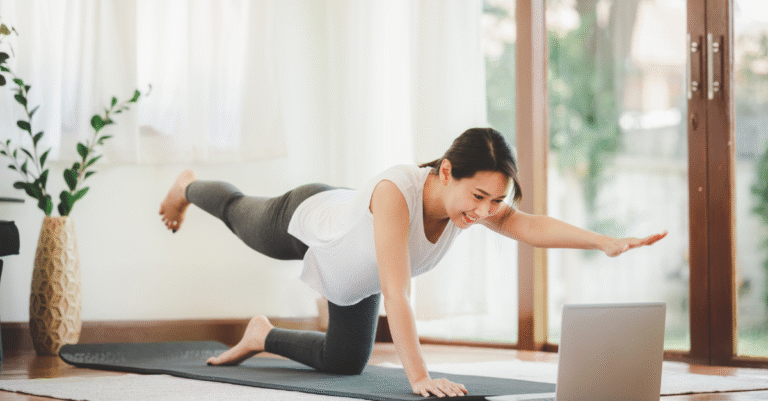
I design training that adapts to your body and honors your pace. This is strength training without shame, pressure, or performance. And I do it all virtually, so it’s convenient, flexible, and built for your real life. No commute and no gym stress. Just focused support, wherever you are.
This is why I work with women on GLP-1s. I built Seventh Remedy so that you never feel left out of fitness again.
Photo Credits
Fitness Copyspace, Workout Plan Mockup Clipboard by fascinadora
Online workout exercise at home by Natee Meepian’s Images

For many women, GLP-1 medications have made weight...
If you’re living with type 2 diabetes or obesity...
Most women on GLP-1s aren’t avoiding exercise...

When you start taking better care of yourself, the...

Losing weight is not easy, no matter how much...