
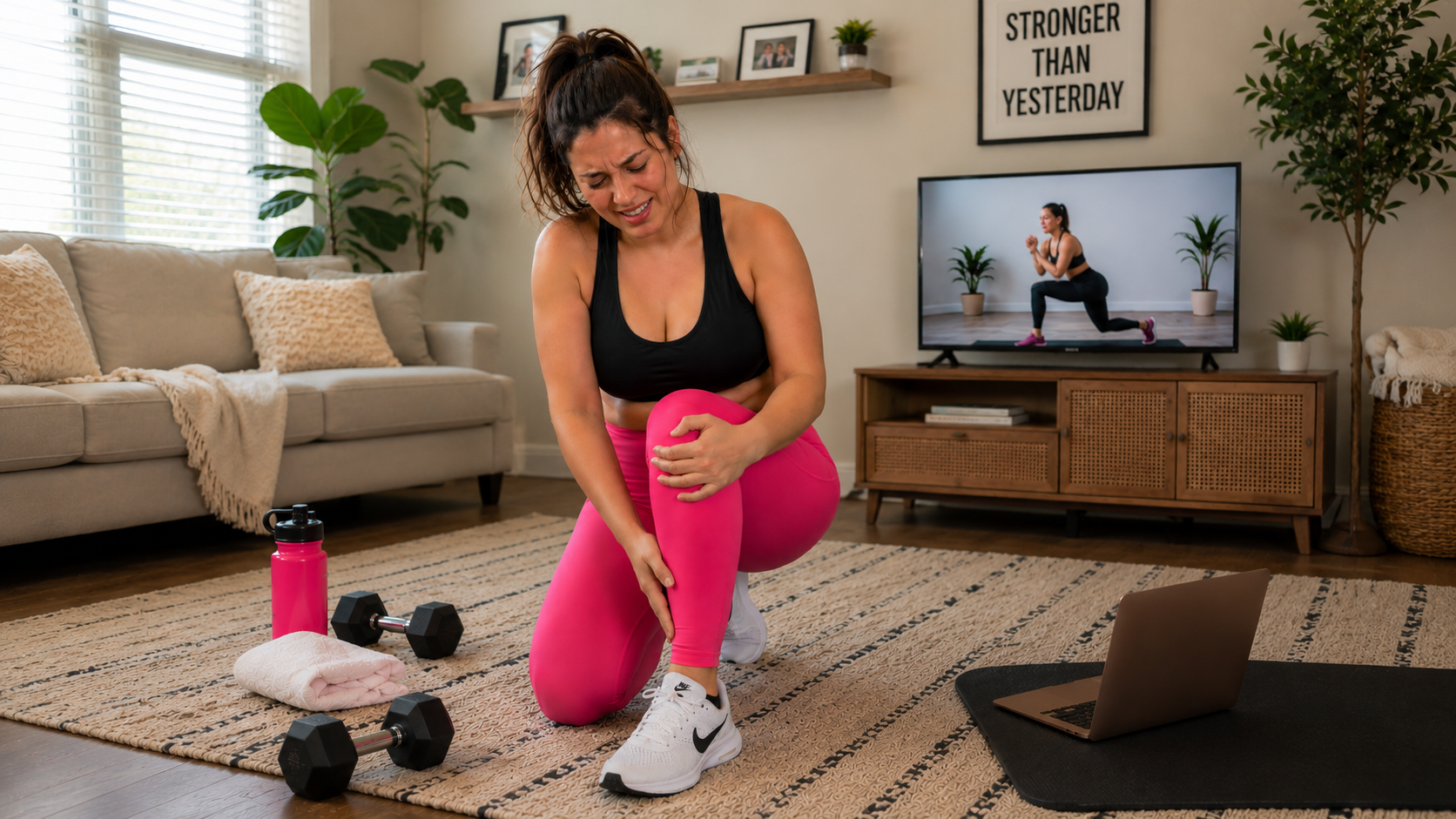
For many women using GLP-1 medications, weight loss can make movement feel more accessible again. But when your body changes quickly, the way you move and balance changes too. Add exercise into the mix, and your nervous system is suddenly trying to adjust in real time while also learning new patterns and handling resistance.
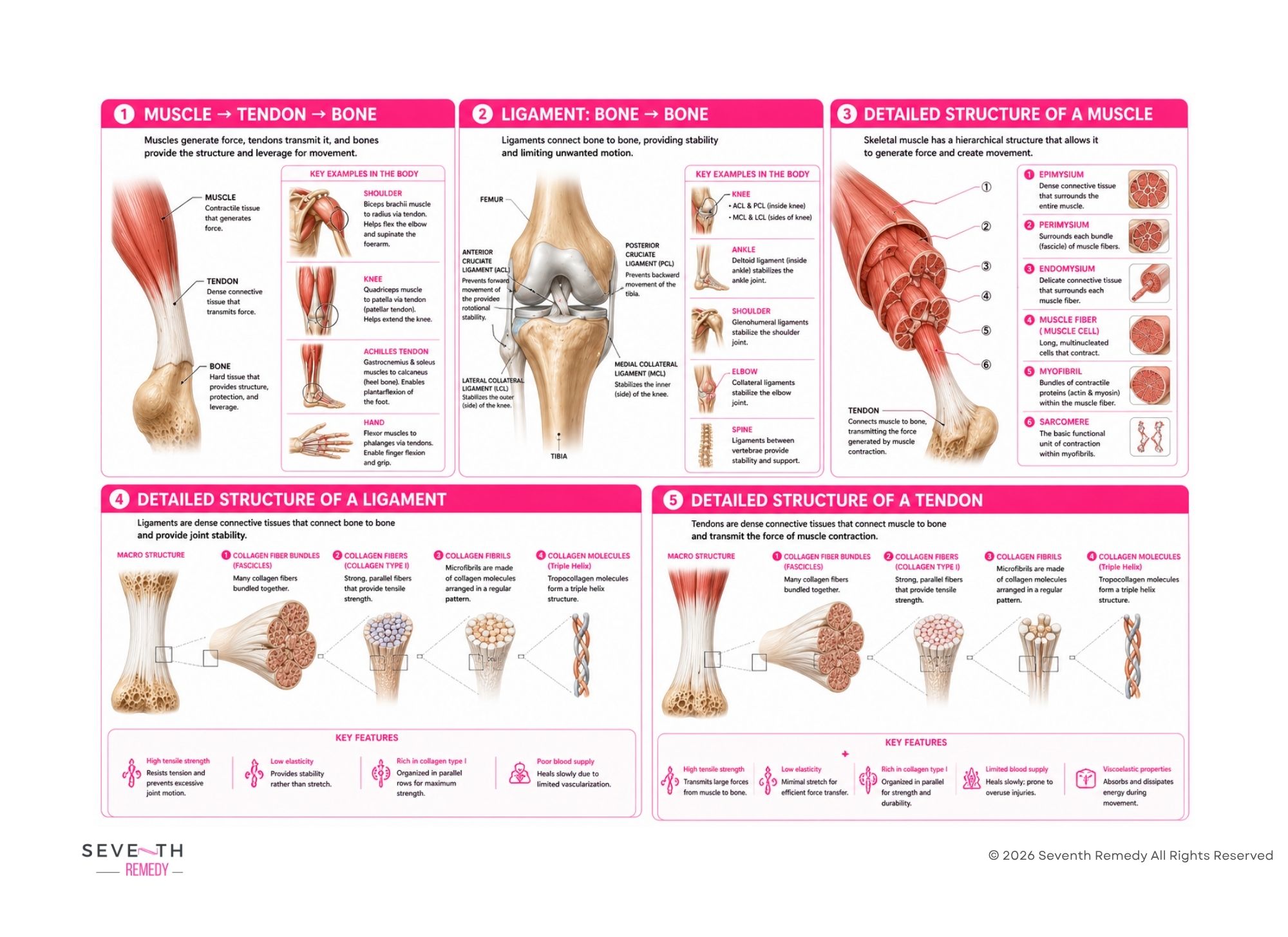
During that adjustment process, your joints and connective tissue can sometimes end up handling stress differently than they’re used to. That’s why areas like the ankles, knees, hips, lower back, or shoulders can start to feel sore, unstable, or uncomfortable when you first begin exercising, even if the activity itself doesn’t seem very intense.
Your Nervous System Is Running the Show
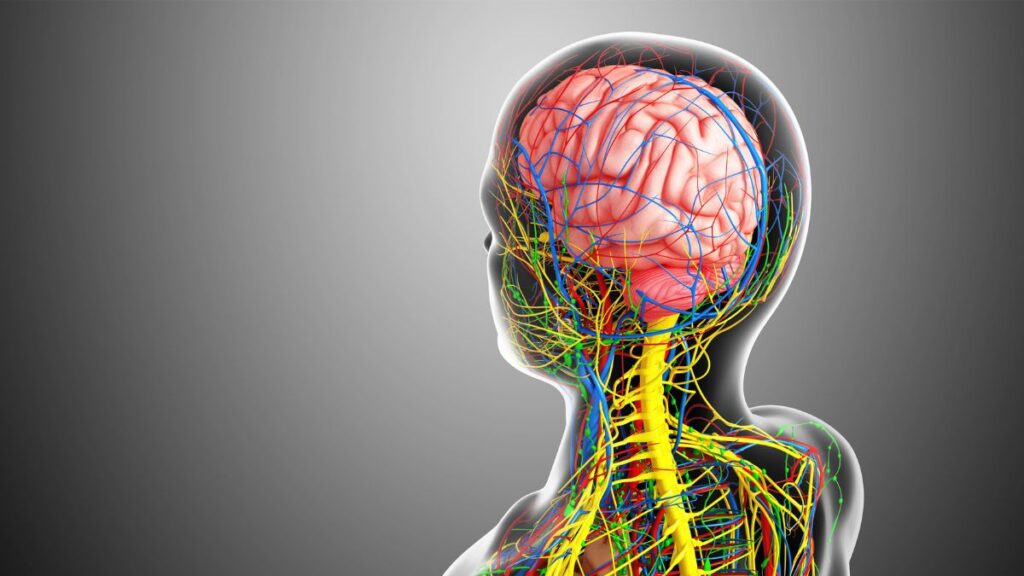
Your nervous system is involved in thousands of things happening in your body every day, including how you move. It controls and decides which muscles work together, how much force to use, and how your body coordinates movement from one step to the next.1
Over time, your brain builds patterns based on things you repeat every day. That’s why many movements eventually start to feel automatic instead of something you have to think through.
Every time you stand up, walk, bend, or reach, your brain is sending instructions to your body. Those instructions decide:
- Which muscles to use: Your brain is basically deciding who shows up to do the job. Are your glutes helping you stand up, or is your lower back doing all the work? It’s picking the team every time you move.
- How much force to apply: It’s also choosing how hard those muscles should work. Picking up a coffee mug vs. a heavy laundry basket requires completely different effort, and your brain adjusts that automatically.
- How to time or sequence the movement: Movements are organized in a specific order. Your brain decides what happens first, what follows, and how smoothly it all flows together so you don’t feel clunky or awkward.
- How much pressure goes through each joint: Every movement places some load on your joints, and your nervous system helps distribute that load. Ideally, it spreads things out so one area doesn’t take all the stress, like your knees or lower back getting overloaded.
You’re not consciously thinking about any of this, but it’s happening every single time you move.
Why Joint Discomfort Can Happen Early On
Your body is always going to find a way to complete a movement, even if it’s not fully ready for it yet. But when it’s asked to do more than it can properly control or coordinate, it usually doesn’t do it in the most balanced or efficient way. It just gets the job done.
And early on, because your nervous system is adapting faster than you’re gaining actual muscle strength, it can feel like you’re ready for more before your body actually is. That’s usually when you might end up moving too fast, adding more weight or intensity before your joints and connective tissue are ready to handle it.
Helping Your Body Adjust
Your body learns through repetition, and that doesn’t only happen during workouts. Everyday activities are teaching your nervous system too. The way you stand up, shift your weight, reach, carry things, or get out of the car all give your body information about how to organize itself in this changing body.
- Slow down transitions sometimes. Pay attention to how you stand up from a chair, get out of bed, or step out of the car instead of rushing through it automatically.
- Try not to rely on support for everything during everyday tasks. Leaning heavily on counters, sinks, shopping carts, or car doors can sometimes stop certain muscles from doing their share of the work.
- Pay attention to where your weight sits. Many people shift forward into their toes without realizing it. Gently shifting pressure back toward your heels can help you feel more support through the back of your body.
- Use your legs to help you stand instead of pulling with your arms whenever possible. Think about pushing the floor away from you as you stand up.
- Keep exercise controlled before making it more intense. Your joints and connective tissue usually adapt more slowly than your nervous system does. Feeling stronger doesn’t always mean your body is fully ready for more intensity yet.
Understanding this changes how you approach exercise. Progress stops being only about how much weight you can lift or how hard something feels. You start noticing things like how controlled your body feels, how stable you are in different positions, and how quickly you’re able to pick up new patterns. That’s what helps exercise feel more solid and reduces unnecessary stress on your joints.
Resource
- Tsay, J. (2026). Motor Learning. In M. C. Frank & A. Majid (Eds.), Open Encyclopedia of Cognitive Science. MIT Press. https://doi.org/10.21428/e2759450.0b8879c0 ↩︎
Photo Credits
Home Workout with A Moment of Discomfort by Seventh Remedy
Central Nervous System by Science Photo Library
Muscles, Tendon, Ligament Anatomy by Seventh Remedy


For many women, GLP-1 medications have made weight...

If you’re living with type 2 diabetes or obesity...


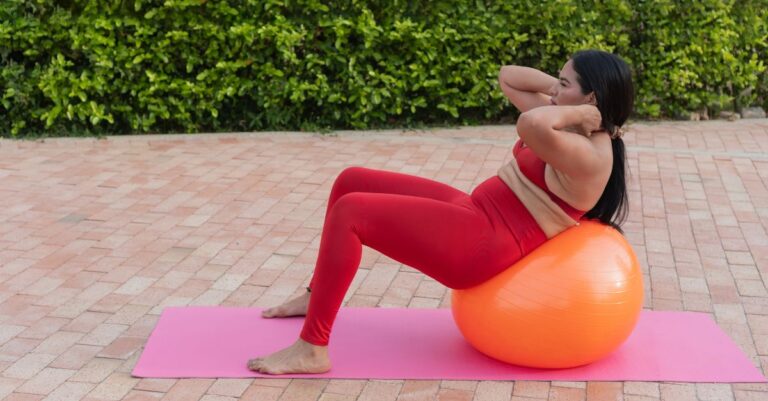

Most women on GLP-1s aren’t avoiding exercise...

When you start taking better care of yourself, the...

Losing weight is not easy, no matter how much...