How Metabolic Inflammation Impacts Weight Loss

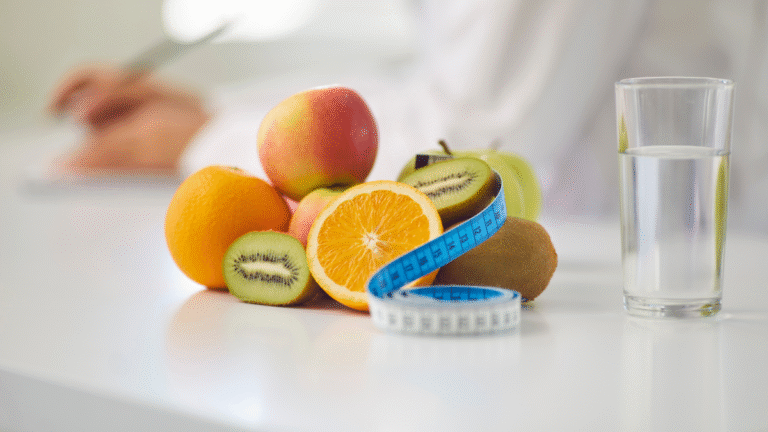
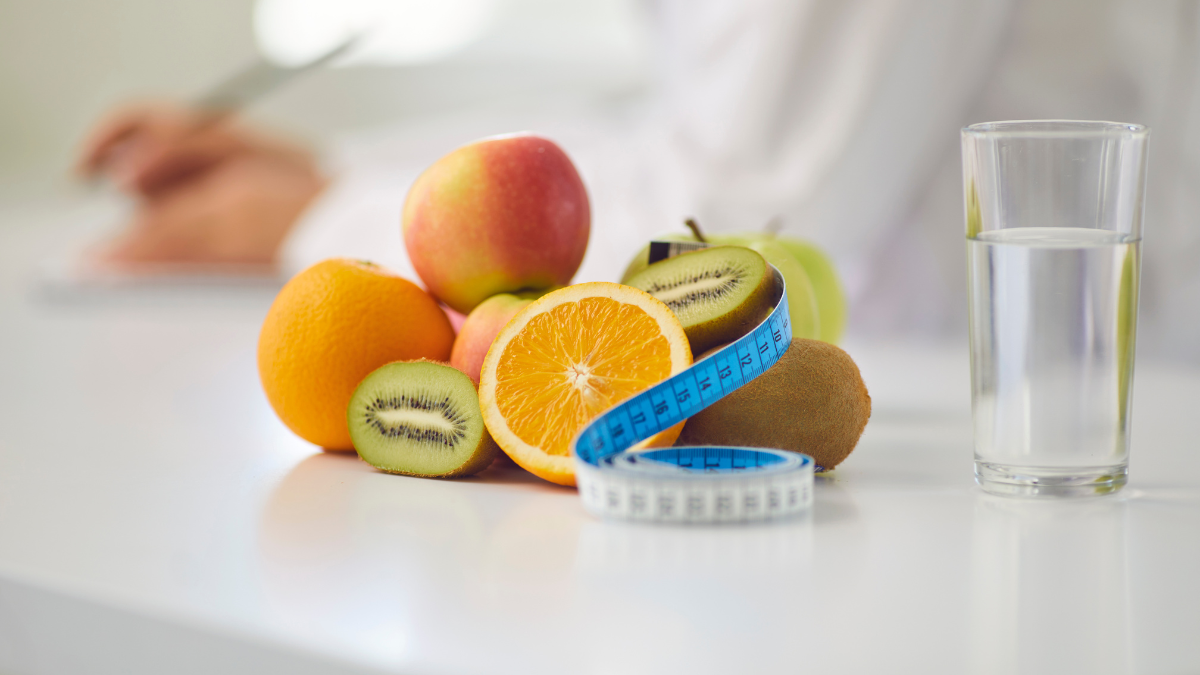
Illustration of citrus fruit and measuring tape to show how obesity and weight loss can occur

If weight loss were as simple as “eat less and move more,” no one would still be struggling.

For some people, that advice works. But if you’re living with an unhealthy BMI, it’s not that simple because your biology has already changed.

And that change isn’t about willpower. It’s about something most fitness advice overlooks entirely: metaflammation (short for metabolic inflammation).


What Is BMI?

BMI1 stands for body mass index. It’s based on weight and height. It’s meant to help compare body mass across people of different sizes. Taller people naturally weigh more, so dividing weight by height helps even things out.

BMI Categories:

Doctors use these ranges to predict possible health risks like heart disease or type 2 diabetes. 

BMI Categories:

  • Underweight: < 18.5
  • Healthy weight: 18.5 – 24.9
  • Overweight: 25 – 29.9
  • Obesity Classes:
    • Class I (Mild): 30–34.9
    • Class II (Moderate): 35–39.9
    • Class III (Severe): 40 or higher

BMI is used because it’s quick and easy to measure, but it does not show the difference between muscle, body fat, or other body tissues. This means someone who is very muscular, like a bodybuilder, might have a high BMI, even if they have low body fat.

BMI makes more sense when you look at it alongside your habits and overall health. If someone has a higher BMI and is mostly sedentary, does not get enough protein, or rarely exercises, that number is more likely to show excess body fat. If someone has a high BMI but strength trains and has more muscle, the number means something different.

BMI is just one number. It is a starting point, not the final answer when looking at your health, but if you are curious, you can check yours here.

What Is Metaflammation?

You’re probably familiar with inflammation, the swelling and redness that happens after you cut yourself or get an infection. That’s called acute inflammation, and it’s actually helpful. It means your immune system is doing its job and helping you heal.

But metaflammation is different. It’s a chronic, low-grade form of inflammation caused by excess fat tissue. It’s quietly active behind the scenes and always on. It usually starts when fat cells become too large2.

How the Body Changes Over Time

Living with an unhealthy body weight is complex. As time goes on, having more body fat can start to affect how your metabolism works.

Unless a rare genetic condition is involved, an unhealthy body weight usually develops over time, through choices, patterns, routines, and habits. It might start with not moving enough, eating in a way that doesn’t meet your body’s needs, or just not knowing how to take care of your health in a way that really works.

Yes, energy balance matters. But over time, the body adapts to whatever you give it. If what you are giving it doesn’t support it, whether we’re talking about food, movement, sleep, or stress, fat cells begin to grow. And when they grow too large, they start to behave differently.

These patterns and habits aren’t your identity. But they do shape your biology. And once that biology changes, the old rules no longer apply. It’s not just about eating less or exercising more; it’s about understanding how your body works now and learning how to move forward from here.

The Cycle of Weight Gain and Inflammation

Metaflammation sets up a vicious cycle:

  • Enlarged fat cells trigger inflammation.
  • Inflammation drains your energy and makes it harder for your body to burn fat. You might feel tired and sluggish, even when you try to be active, because your body can’t switch between burning carbs (fast fuel) and fat as easily.
  • Appetite signals get thrown off. Hormones that regulate hunger and fullness stop working correctly, so you eat even when you’re not hungry.
  • Eating more leads to more fat storage, and that leads to more inflammation.

How Metabolism Works in Different Bodies

A person with an average body weight or typical/healthy BMI responds differently to food and movement than a person with a higher body weight or unhealthy BMI because they aren’t dealing with constant internal inflammation.

Here’s how that looks across three key areas:

Insulin and Energy Use

  • Living With a Healthy BMI: Insulin, the hormone that moves sugar from your blood into your muscles, liver, and other cells, works the way it should. The body can easily switch between burning carbs and fat for energy.
  • Living With an Unhealthy BMI: Inflammation damages insulin signaling. This causes insulin resistance, where the body doesn’t respond well to insulin. More insulin gets produced, so the body stores more energy as fat and struggles to burn existing fat.

Hunger and Fullness Signals

  • Living With a Healthy BMI: Leptin3, the hormone that tells your brain you’re full, does its job. When energy needs are met, your brain says, “You’re good. You can stop eating.”
  • Living With an Unhealthy BMI: Leptin levels are often high, but the brain stops listening. This is called leptin resistance. Even if your energy stores are full, you don’t feel satisfied. Overeating becomes less about willpower and more about misfiring signals.

Inflammation Response

  • Living With a Healthy BMI: Inflammation is temporary. It turns on when needed, then turns off when the job is done.
  • Living With an Unhealthy BMI: Inflammation is constant. The immune system stays switched on in fat tissue, the liver, muscles, and even the brain. This affects recovery, drains energy, and disrupts how your body stores and uses fuel.

GLP-1 Medications Are Helpful Tools (But Not Magic)

This is where medications like Ozempic or Mounjaro can really help. They mimic a natural hormone in your body called Glucagon-like peptide-1 (GLP-1), which helps insulin work better and helps your brain recognize when you’re full.

Basically, they work to quiet some of the internal chaos caused by metaflammation. When that noise gets turned down, it’s easier to eat less, feel satisfied, and lose weight.

But here’s the thing: these medications are tools, not magic.

You’ll get the best results when you’re also building habits that support your body. These medications work well because they make the things that usually feel really hard, like the habits you’ve always been told to focus on, actually feel doable.

Things like:

  • Strength training: Building muscle doesn’t just make you stronger, it helps your body use insulin more effectively, which makes it easier to regulate blood sugar and burn fat.
  • Eating more whole foods: Meals with healthy fats, fiber-rich carbs, and omega-3s help lower inflammation and keep your blood sugar more stable, both key for reducing metabolic stress.
  • Recovery: Quality sleep and stress management help your body reset each day. Without enough recovery, inflammation stays high and your metabolism stays on defense.
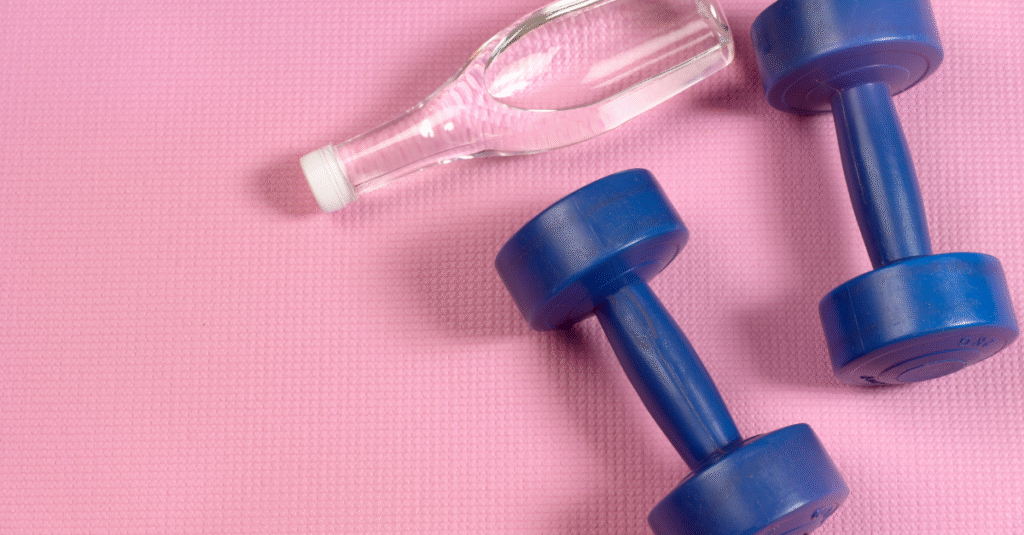
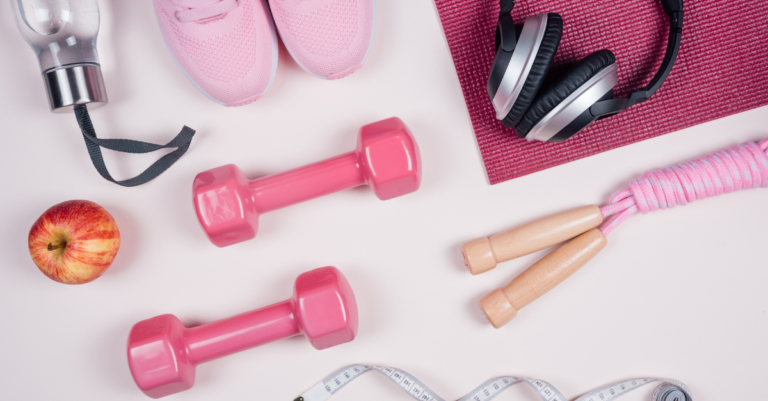
an illustration of dumbbells and water to show weight loss

Why Change Feels Hard

The advice above, move more, eat differently, sleep better, manage stress, is true and backed by years of scientific studies. But it’s also hard, especially at first.

When your body’s been inflamed and overloaded for a long time, everything feels more difficult: getting to bed or getting up earlier, cooking differently, exercising when you’re tired, even thinking clearly. Your energy is low, your motivation feels blah, and nothing feels like it’s working fast enough.

But this is why it’s important to remind yourself that you’re still in the early part of change, when it feels most uncomfortable. And you don’t need to do everything at once.

Just like one unhealthy habit can start a downward spiral, one supportive change can start shifting everything the other way.

When you improve your sleep, your hormones regulate better. When hormones are regulated, you crave sugar and salt less. With fewer cravings, you make better food choices. With better food, your energy improves. With more energy, movement becomes more doable.

It’s literally all connected.

Real Change Starts Small

Start small and be strategic. Choose one area to focus on, maybe the one that feels least overwhelming, like getting to bed at the same time each night, and work on that until it’s second nature. Let that one win build momentum.

You might still want to give up, pause, or fall back into old patterns. That’s okay. It’s not the end. What matters is that you keep coming back, again and again, until it gets so easy, you’d laugh at the idea of not doing it.

Because that day will come.

How you feel today, exhausted, foggy, frustrated, or annoyed, isn’t how you’ll feel forever. But you have to give your body space to adjust. And if you need support during that process, go and get it, because that’s not weakness, that’s strategy.

Your Body Deserves a Smarter Training Approach

Living with an unhealthy body weight is a metabolic condition with its own set of rules, which is why finding the right trainer or coach matters.

Someone who understands metaflammation can offer the kind of support that actually works.

The wrong one might still be stuck in the “eat less, move more” mindset, and completely miss what’s going on in your body. If they don’t understand how living with high body weight changes biology, they won’t be able to help you in a meaningful way.

And if you’re using a tool like a GLP-1, your training plan should complement it, not compete with it.

Key Takeaways

  • For many, a higher body mass index (25+) isn’t just about calories. It’s a chronic inflammatory state that changes how the body burns energy and regulates hunger.
  • Metaflammation can be reversed, but it takes more than just “eating less and moving more.”
  • GLP-1s and lifestyle changes together can help reset the playing field, giving your body a chance to work with you instead of against you.
  • Training needs to be tailored. Living with an unhealthy BMI is its own category, and respecting the biology behind it leads to better results.

Resource

  1. NIH Calculate Your BMI https://www.nhlbi.nih.gov/calculate-your-bmi ↩︎
  2. Chronic Adipose Tissue Inflammation Linking Obesity to Insulin Resistance and Type 2 Diabetes https://www.frontiersin.org/journals/physiology/articles/10.3389/fphys.2019.01607/full ↩︎
  3. Obradovic M, Sudar-Milovanovic E, Soskic S, Essack M, Arya S, Stewart AJ, Gojobori T, Isenovic ER. Leptin and Obesity: Role and Clinical Implication. Front Endocrinol (Lausanne). 2021 May 18;12:585887. doi: 10.3389/fendo.2021.585887. PMID: 34084149; PMCID: PMC8167040. https://pmc.ncbi.nlm.nih.gov/articles/PMC8167040/ ↩︎

Photo Credits

Workplace of a Nutritionist with Fruit, a Glass of Water, and a Measuring Tape on the Table by Studioroman

Blue dumbbells on the pink yoga mat by Sabthai from Getty Images

This article is for educational purposes and is not intended to replace medical consultation. Always consult a healthcare professional before making health-related decisions.

Read the full disclaimer here. 

Editorial Note: Portions of this article were supported by editorial tools, including AI. All content is researched, written, and reviewed by Claudia Dzina, CPT, before publication.

The Remedy Method

Most exercise programs focus on what to do.
This work focuses on helping your body feel steady and capable again as it changes.

Training is guided, intentional, and paced to support strength, balance, and confidence in real life, not just workouts.

If your body feels different and you’re not sure where to start, this is a supportive place to begin.

This is where it begins.

Share a bit about where you are so I can meet you there with the right kind of training support.

Is The Remedy Method
Right For Me?

(Find out in less than 1 minute!)

Answer a few quick questions about how your body feels and how you like to exercise. This will help you see if The Remedy Method, which blends corrective exercise, Pilates-style control, and strength training for women on GLP-1 medications, is a good fit for you.

1. Are you currently using a GLP-1 medication?

2. How often do you notice nausea, dizziness, low energy, or fast fatigue during movement?

3. Have you noticed changes in your balance, coordination, or stability since your body started changing?

4. Do certain movements feel awkward or disconnected now, like squats, lunges, bending, stepping, or getting off the floor?

5. Do you notice any of these when you move or exercise? (Select all that apply.)

6. Do you feel comfortable exercising in a public gym or group class?

7. Does the idea of guided instruction sound helpful right now?

8. Have you ever felt rushed, judged, or misunderstood by past trainers or programs?

9. What matters most to you right now? (Select all that apply.)

10. Do you want a structured plan with phases that build on each other?

11. Can you commit to training at home with simple equipment or none at all?

12. Would you benefit from having a trainer watch your form and guide your pacing in real time over Zoom?

This quiz is for education and reflection. It is not a medical screen or diagnosis. Always follow the guidance of your medical team for movement and exercise.

GLP-1 Nutrition
Reflection Tool

A quick check-in on your last meal and today’s patterns so you can see what your body might be asking for next.

Step 1 of 4
Think of your last meal. How many different colors were on your plate?
Where did most of the color come from?
What was the main protein in your last meal?
How was that protein prepared?
How many sides did you have with that meal?
What best describes your sides? (Choose all that apply.)
How were your sides prepared?
What was the main starch or grain at your last meal?
How much of your plate did that starch or grain take up?
Which of these were part of your last meal? (Choose all that apply.)
About how long did it take you to eat your last meal?
What were you doing while you ate?
Where did your last meal come from?
How long did it take to get that meal from “I’m hungry” to “let’s eat”?
How easy was this meal to put together?
Were you able to finish everything on your plate?
How did you feel 30–60 minutes after that meal?
So far today, how many different fruits have you eaten?
So far today, how many different vegetables have you eaten?
How many times have you reached for a snack today?
Which of these sounds most like your typical snack today?
What color were most of your drinks today?
Did you add anything to your drinks to make them taste better?
In the past week, how often have you felt too full to finish a small or normal-sized meal?
In the past week, how often have you felt nausea or strong discomfort after eating?
In the past week, how often have you gone more than 5 waking hours without eating anything?
Thinking about a typical day, how do your meals usually look?
Over the past week, how has your sleep been?
Do you have any kind of evening wind-down routine?
Your GLP-1 Meal Reflection
What this might be telling you
Optional: next-step ideas

    BMI & Waist Check

    Use this tool to look at your Body Mass Index (BMI) and waist size.

    BMI compares your height and weight to estimate general body size. It does not measure fat or muscle and cannot show how your body is changing with strength training or GLP-1 use. It is simply a numerical estimate.

    Waist size provides additional information because abdominal fat is more closely linked to metabolic risk than fat stored in other areas. Measuring the waist gives a better idea of where the body is holding weight.

    Both BMI and waist size can change quickly when someone starts a GLP-1. Muscle, water, and fat often shift at different rates, so these numbers work best as general reference points rather than something to obsess over.

    This tool gives you a simple snapshot you can use for your own self-awareness or just to know before doctor’s appointments. It’s one of several things to pay attention to, along with movement quality, strength levels, recovery, and daily well-being.

    Waist size is optional. The tool will still calculate your BMI if you skip that section.

    BMI Categories:


    • Underweight: Below 18.5
    • Healthy weight: 18.5 – 24.9
    • Overweight: 25 – 29.9
    • Obese: 30 or greater
      • Class I (Mild): 30–34.9
      • Class II (Moderate): 35–39.9
      • Class III (Severe): 40 or greater

    Unit of measure

    Sex

    Age (years)

    Height (feet)

    Height (inches)

    Weight (pounds)

    Waist circumference (inches, optional)

    This tool is for education only. It cannot diagnose medical conditions. If you have new symptoms or health concerns, talk with your medical team for guidance. For adults only. BMI is one data point and does not reflect muscle, body composition changes on GLP-1s, or overall health.

    Is The Remedy Method
    Right For Me?

    1. Are you currently using a GLP-1 medication?

    2. How often do you notice nausea, dizziness, low energy, or fast fatigue during movement?

    3. Have you noticed changes in your balance, coordination, or stability since your body started changing?

    4. Do certain movements feel awkward or disconnected now, like squats, lunges, bending, stepping, or getting off the floor?

    5. Do you notice any of these when you move or exercise? (Select all that apply.)

    6. Do you feel comfortable exercising in a public gym or group class?

    7. Does the idea of guided instruction sound helpful right now?

    8. Have you ever felt rushed, judged, or misunderstood by past trainers or programs?

    9. What matters most to you right now? (Select all that apply.)

    10. Do you want a structured plan with phases that build on each other?

    11. Can you commit to training at home with simple equipment or none at all?

    12. Would you benefit from having a trainer watch your form and guide your pacing in real time over Zoom?

    This quiz is for education and reflection. It is not a medical screen or diagnosis. Always follow the guidance of your medical team for movement and exercise.

    Movement Pattern Starting Point

    Answer these questions about how your body feels today. This tool helps you find a safe starting point for key movement patterns if you are using GLP-1 medications or coming back to exercise after weight loss. The goal is to match your body to the right level of support, not to push through pain or fear.

    1. How do your knees feel when you walk, use stairs, or stand up from a chair?

    2. How does your low back feel today?

    3. How steady do you feel on your feet?

    4. Can you safely get down to the floor and back up on your own?

    5. Any foot or ankle pain when you walk or stand?

    6. Right now, how confident do you feel about moving your body?

    This tool is for education only. It cannot diagnose injuries. If you have strong pain, falls, or new symptoms, talk with your health care team before starting or changing your exercise plan.

    GLP-1 Training
    Readiness Check

    Many women notice changes in balance, coordination, and strength as they lose weight. This tool helps you choose movements that feel supportive instead of stressful, so you can build confidence and avoid overloading joints or overworking muscles that are still adjusting.

    1. Have you eaten a small meal or snack in the last 2 to 3 hours?

    2. How is your stomach right now?

    3. How is your energy right now on a scale from 1 to 10?

    4. Have you felt dizzy, faint, or lightheaded when you stand up today?

    5. Any new sharp pain, chest tightness, or trouble breathing since your last workout?

    This tool is for education only and does not replace medical advice. If you ever feel unsure, choose rest and contact your health care team.

    Macro Split Calculator

    First, calculate your daily protein target using the protein calculator above.

    Then enter your maintenance calories from the TDEE calculator, or type in a starting estimate, and choose your goal. This calculator adjusts your calories based on that goal and shows you how those calories break down into protein, fats, and carbohydrates.

    This is called a macro split. It helps you see where your energy is coming from each day.

    For women using GLP-1 medications or going through weight loss, this structure is designed to make eating feel more manageable. Protein supports muscle. Fats support hormones and nutrient absorption. Carbohydrates support energy, movement, and recovery.

    Your protein target comes directly from the protein calculator. This tool builds the rest of your intake around that number.

    This is a starting point, not a prescription. Your medical team may adjust your needs based on your health, labs, medication plan, and appetite.

    kcal

    Use your TDEE number from the TDEE calculator or enter a starting maintenance estimate. This calculator will adjust that number based on your goal before splitting your macros.
    Use my TDEE Calculation

    Adjusted calories: 0 kcal per day

    Protein: 0 g per day

    Fat: 0 g per day

    Carbs: 0 g per day

    This is a starting point, not a prescription. Your medical team may adjust your needs based on your health, labs, and medication plan.

    Daily Protein Target

    Enter your weight and choose how often you strength train. This calculator gives you a daily protein range in grams to help support muscle, recovery, and overall health.

    The RDA (Recommended Dietary Allowance) for protein is 0.8 grams per kilogram of body weight. That amount is the minimum needed for basic health, not for maintaining muscle during weight loss or training.

    People may need more than the RDA when they are:

    • losing weight
    • using GLP-1 medications
    • strength training
    • trying to keep or build muscle
    • over age 35

    This calculator starts at 1.2 grams per kilogram. Think of this as your baseline for muscle protection, not a goal you have to exceed.

    The range increases slightly based on how often you train. This reflects what your body could use if it is supported with enough food and recovery.

    Because appetite can be lower on GLP-1 medications, you do not need to chase the highest number in the range.

    Start with the lower end of your range and focus on consistency first.

    If your appetite allows and your body is responding well, you can gradually work toward the higher end. If not, staying at the lower end is still effective for protecting muscle.

    lb

    Recommended range:

    0 to 0 grams per day

    This range is an estimate based on body weight and strength training level. It is a guide, not a strict rule. Your medical team may adjust your protein needs, especially while you are on GLP-1 medication.

    TDEE & BMR Calculator

    Fill in your details to find your Total Daily Energy Expenditure (TDEE) and Basal Metabolic Rate (BMR).

    Your TDEE is the total amount of energy your body uses in a full day. This includes everything. Your workouts, walking, cleaning, daily movement, shifting posture, fidgeting, and even the energy it takes to digest your food.

    Part of your TDEE is your BMR. Your BMR is the energy your body needs for basic life functions like breathing, circulating blood, maintaining organs, and keeping your body temperature stable. This is what your body would use even if you stayed in bed all day.

    Understanding both numbers is helpful if you are on a GLP-1 or working on your health. Appetite can drop quickly, which makes it easy to undereat without noticing. Knowing your TDEE and BMR shows you how much fuel your body actually needs so you can keep your energy up, protect muscle, and support safe and steady fat loss.

    You can choose from three formulas to calculate these numbers. Mifflin-St. Jeor and Harris-Benedict use height, weight, age, and sex. Katch-McArdle uses body fat percentage if you know it. They use slightly different math equations, but they all estimate the same thing. Mifflin-St. Jeor is generally the most accurate for most people.

    lb
    in

    BMR: 0 kcal per day

    TDEE: 0 kcal per day

    These are estimates. Calculators may read low for people with more muscle and may not work well for people living with obesity. Use as a guide, not an exact number.

    Form-focused. Emotionally aware. Personalized support from the comfort of your home.

    Live Virtual Training Options

    Private, 1:1 via Zoom

    2 Sessions Per Week

    $35–$40 per session

    24 total sessions (12 weeks)

    Pay in Full:

    $840 ($35/Session)

    Best value. One-time payment. | 30-Day Money-Back Guarantee

    Pay Monthly:

    $320/month for 3 months ($40/session)

    Flexible plan.

    3 Sessions Per Week

    $35–$40 per session

    36 total sessions (12 weeks)

    Pay in Full:

    $1,260 ($35/session)

    Best value. One-time payment. | 30-Day Money-Back Guarantee

    Pay Monthly:

    $480/month for 3 months ($40/session)

    Flexible plan.

    Simple. Transparent. No surprises.

    Live, personalized training. No app. No gym. Support that adapts to your body and your life.