The Real Experience of Living with a Higher BMI

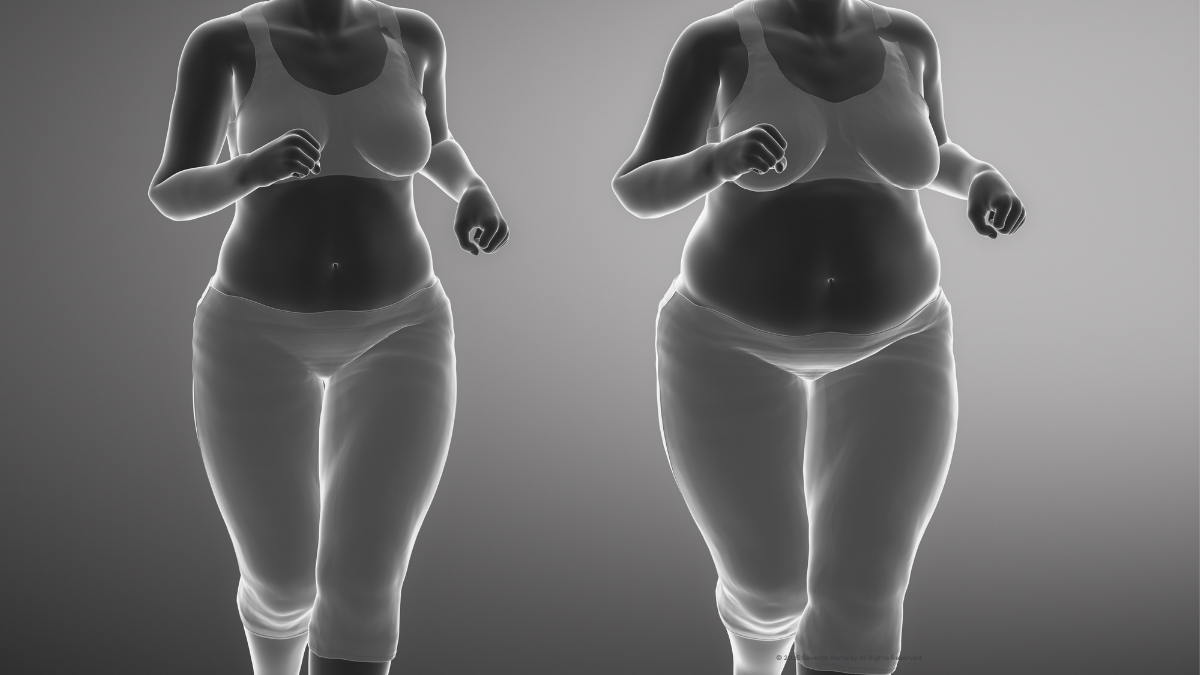
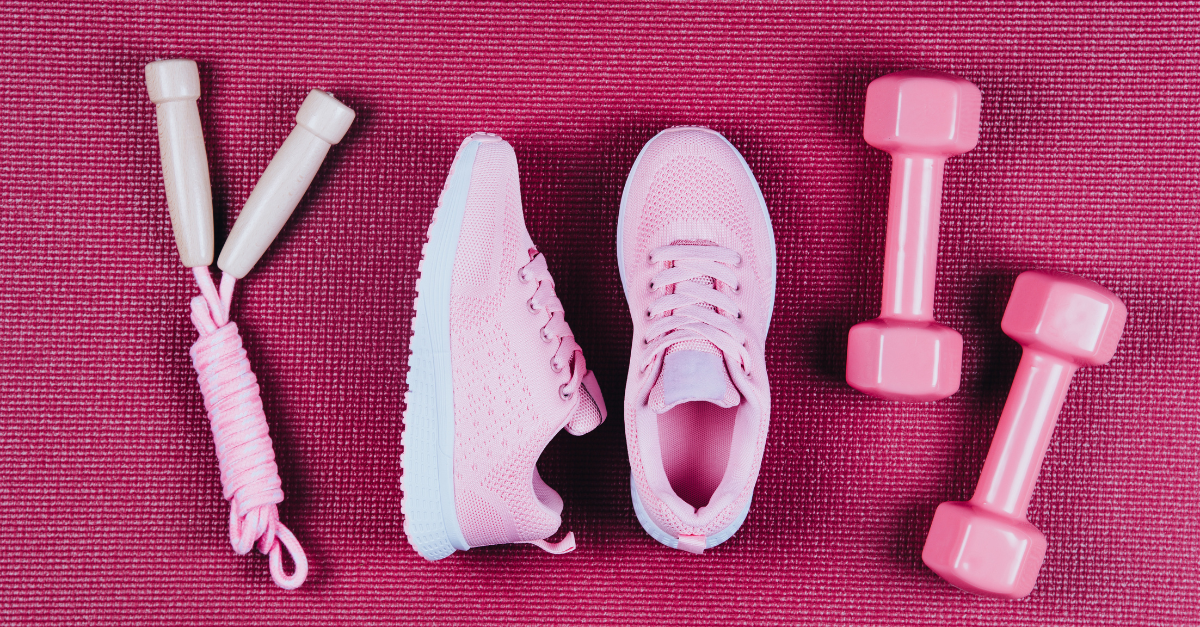
Illustration showing workout gear and sneakers

It’s easy to make assumptions when you don’t understand where someone is coming from.

For those who have never lived it, carrying a higher body weight can seem like a choice:

“Eat better.”
“Move more.”
“Just try harder.”

But the truth is, they know what to do; they’re just stuck on how, and that stuck place feels paralyzing.

Living in a bigger body is almost never about laziness or lack of willpower.

It’s about quiet, exhausting daily battles no one sees.

And even when change is desperately wanted… it feels impossibly far away.

This is what it’s like inside her head and why empathy matters.

Without it, real change never starts, because they are too afraid to ask for a hand.


Before Food Even Comes into the Picture

She wakes up tired.

Maybe from poor sleep. Maybe from undiagnosed or unmanaged sleep apnea.

Her joints hurt. Inflammation is always there in the background. Just getting up already feels like way too much work.

She feels heavy. Not just in her body, but in her mind too.

The brain fog starts before she even makes it to the kitchen.

There’s a sense of dread about the day ahead.

Not just about all she has to get done, but about being seen, judged, or not being able to keep up.  

She avoids mirrors as much as she can.

She doesn’t buy new clothes anymore because what’s the point? She wears what still fits, until it doesn’t.

She never daydreams about goals anymore.

It feels much safer not to hope for things she thinks will only disappoint her later.

When Food Enters the Picture

She thinks about food a lot because it’s one of the few consistent sources of pleasure she still gets. But sometimes, it’s not even about joy or fulfillment anymore. It’s just reliable and somewhat predictable.

It’s the thing that doesn’t argue with her, doesn’t make her feel stupid, and doesn’t ask for anything in return. It’s always there for her. She can count on it.

When she picks up the phone to order in or grab something from the pantry, she’s not thinking about fuel, nutrition, or her health.

She’s thinking:

  • “I need to break the tension.”
  • “I deserve this.”
  • “I’ve already ruined the day, so who cares?”
  • “I’m too tired to cook.”
  • “This is the only thing I’m looking forward to today.”

If it’s takeout, it might feel exciting… for 90 seconds, but then the autopilot takes over.

She eats past fullness. Not because she’s actually hungry, but because stopping never even crossed her mind. Her body’s hunger and fullness cues just don’t work like they should anymore.

Sometimes she eats really fast to block out thoughts.
Sometimes slowly, to stretch the comfort.
Sometimes she barely notices she’s eating.

Shame doesn’t usually show up until after the meal, but it’s not strong enough to stop her from giving in.

Once the meal is over, she feels it.

  • Guilt and Upset
  • Nausea and Heartburn
  • Bloating and Sluggishness
  • Self-loathing and Helplessness
Illustration showing daily struggles of living with obesity

Why She Doesn’t Stop

She knows this hurts her. She knows it might shorten her life.

She even sees how much it hurts her loved ones.

They stopped asking her to do fun things with them, not because they didn’t care, but because they assumed it would be too hard or she’d say no.

She misses out on parties, festivals, weddings, and simple get-togethers. Not just because she’s less mobile, but because saying yes feels like too much for her.

She sees all of this but doesn’t believe she can change. She thinks it’s completely out of her hands.

And when the brain is convinced that failure is guaranteed, it stops trying, and settling becomes a safer choice.

What Gets in the Way?

Comfort beats health (at least in the moment)

Pain relief now feels more urgent than change later.

She doesn’t know what “feeling better” actually feels like.

If she’s never felt strong or energized — or enjoyed good sleep, easy breathing, or freedom from back and knee pain — how would she even know to miss it?

Her struggles feel like part of her identity.
  • “This is just me.”
  • “Some of us aren’t meant to be thin.”
  • “I will fail.”
  • “I’m too far gone.”
  • “My body hold on to weight differently.”
  • “It’s genetic.”
Her brain wants the dopamine from processed food.

Even when she’s full or sick, it tells her, ” Just one more bite.”

Movement feels like punishment instead of freedom.
  • The gym feels intimidating. (She doesn’t know this can be true for anyone in any body.)
  • Walking sounds exhausting. (She thinks it has to mean long walks, not knowing that just moving more throughout the day can make a huge difference.)
  • Floor exercises are out of the question. (She isn’t sure she can get down there, let alone get back up.)
No one has shown her that movement can actually feel good and offer relief.

She’s tired of being talked at.

Doctors, family, and strangers tell her things she’s “already heard and tried.”
She tunes them out, even if something actually might help.

She never unlearned all the bad diet culture advice she grew up with.

She still thinks she has to cut out everything she loves and doesn’t realize balanced nutrition can actually mean feeling full and satisfied.

In Public, It’s Even Harder

She’s hyper-aware and on high alert.

  • Every chair has to be scanned. Will it hold me?
  • Is everyone watching what I eat? How I eat?
  • Will standing up or walking to the restroom look awkward?

For many women:

  • They’ve never seen anyone like them succeed.
  • Emotional eating and inactivity were normal growing up so they model that behavior as adults.
  • They never learned about true balanced nutrition (they think it means no desserts ever or being hungry all the time).
  • They’ve been rewarded for overeating (“good girl, finish your plate”) and punished when they tried to change (“you think you’re better than us now?”).
  • They don’t trust themselves to follow through.
  • They assume trying will only lead to failure.
  • They assume every attempt will be miserable because that’s all they’ve known.

The Hard Truth

For women living in larger bodies, survival mode feels comfortable and familiar, sort of like a best friend or a family member.

Instant comfort and coping win over long-term goals that feel impossible.

It’s not that they don’t want to feel better. It’s that they don’t believe they can, at least not in a way that will last.

So, they give up and stop trying. Or they blame the things they think they can’t control.

Until someone comes along who actually sees them, doesn’t judge them, and instead teaches them that they don’t have to do it all at once or alone. Shows them proof that they have way more control and power over their situation than they think.

For those of us who’ve never had to face life in a higher-weight body, this is what it can be like.

If we want to help, we first need to understand each other.


Photo Credits

Woman fitness gear by Olga Niekrasova from The Olga Niekrasova Collection

Concept of Weight Gain by janulla from Getty Images
This article is for educational purposes and is not intended to replace medical consultation. Always consult a healthcare professional before making health-related decisions.

Read the full disclaimer here. 

Editorial Note: Portions of this article were supported by editorial tools, including AI. All content is researched, written, and reviewed by Claudia Dzina, CPT, before publication.

The Remedy Method

Most exercise programs focus on what to do.
This work focuses on helping your body feel steady and capable again as it changes.

Training is guided, intentional, and paced to support strength, balance, and confidence in real life, not just workouts.

If your body feels different and you’re not sure where to start, this is a supportive place to begin.

This is where it begins.

Share a bit about where you are so I can meet you there with the right kind of training support.

Is The Remedy Method
Right For Me?

(Find out in less than 1 minute!)

Answer a few quick questions about how your body feels and how you like to exercise. This will help you see if The Remedy Method, which blends corrective exercise, Pilates-style control, and strength training for women on GLP-1 medications, is a good fit for you.

1. Are you currently using a GLP-1 medication?

2. How often do you notice nausea, dizziness, low energy, or fast fatigue during movement?

3. Have you noticed changes in your balance, coordination, or stability since your body started changing?

4. Do certain movements feel awkward or disconnected now, like squats, lunges, bending, stepping, or getting off the floor?

5. Do you notice any of these when you move or exercise? (Select all that apply.)

6. Do you feel comfortable exercising in a public gym or group class?

7. Does the idea of guided instruction sound helpful right now?

8. Have you ever felt rushed, judged, or misunderstood by past trainers or programs?

9. What matters most to you right now? (Select all that apply.)

10. Do you want a structured plan with phases that build on each other?

11. Can you commit to training at home with simple equipment or none at all?

12. Would you benefit from having a trainer watch your form and guide your pacing in real time over Zoom?

This quiz is for education and reflection. It is not a medical screen or diagnosis. Always follow the guidance of your medical team for movement and exercise.

GLP-1 Nutrition
Reflection Tool

A quick check-in on your last meal and today’s patterns so you can see what your body might be asking for next.

Step 1 of 4
Think of your last meal. How many different colors were on your plate?
Where did most of the color come from?
What was the main protein in your last meal?
How was that protein prepared?
How many sides did you have with that meal?
What best describes your sides? (Choose all that apply.)
How were your sides prepared?
What was the main starch or grain at your last meal?
How much of your plate did that starch or grain take up?
Which of these were part of your last meal? (Choose all that apply.)
About how long did it take you to eat your last meal?
What were you doing while you ate?
Where did your last meal come from?
How long did it take to get that meal from “I’m hungry” to “let’s eat”?
How easy was this meal to put together?
Were you able to finish everything on your plate?
How did you feel 30–60 minutes after that meal?
So far today, how many different fruits have you eaten?
So far today, how many different vegetables have you eaten?
How many times have you reached for a snack today?
Which of these sounds most like your typical snack today?
What color were most of your drinks today?
Did you add anything to your drinks to make them taste better?
In the past week, how often have you felt too full to finish a small or normal-sized meal?
In the past week, how often have you felt nausea or strong discomfort after eating?
In the past week, how often have you gone more than 5 waking hours without eating anything?
Thinking about a typical day, how do your meals usually look?
Over the past week, how has your sleep been?
Do you have any kind of evening wind-down routine?
Your GLP-1 Meal Reflection
What this might be telling you
Optional: next-step ideas

    BMI & Waist Check

    Use this tool to look at your Body Mass Index (BMI) and waist size.

    BMI compares your height and weight to estimate general body size. It does not measure fat or muscle and cannot show how your body is changing with strength training or GLP-1 use. It is simply a numerical estimate.

    Waist size provides additional information because abdominal fat is more closely linked to metabolic risk than fat stored in other areas. Measuring the waist gives a better idea of where the body is holding weight.

    Both BMI and waist size can change quickly when someone starts a GLP-1. Muscle, water, and fat often shift at different rates, so these numbers work best as general reference points rather than something to obsess over.

    This tool gives you a simple snapshot you can use for your own self-awareness or just to know before doctor’s appointments. It’s one of several things to pay attention to, along with movement quality, strength levels, recovery, and daily well-being.

    Waist size is optional. The tool will still calculate your BMI if you skip that section.

    BMI Categories:


    • Underweight: Below 18.5
    • Healthy weight: 18.5 – 24.9
    • Overweight: 25 – 29.9
    • Obese: 30 or greater
      • Class I (Mild): 30–34.9
      • Class II (Moderate): 35–39.9
      • Class III (Severe): 40 or greater

    Unit of measure

    Sex

    Age (years)

    Height (feet)

    Height (inches)

    Weight (pounds)

    Waist circumference (inches, optional)

    This tool is for education only. It cannot diagnose medical conditions. If you have new symptoms or health concerns, talk with your medical team for guidance. For adults only. BMI is one data point and does not reflect muscle, body composition changes on GLP-1s, or overall health.

    Is The Remedy Method
    Right For Me?

    1. Are you currently using a GLP-1 medication?

    2. How often do you notice nausea, dizziness, low energy, or fast fatigue during movement?

    3. Have you noticed changes in your balance, coordination, or stability since your body started changing?

    4. Do certain movements feel awkward or disconnected now, like squats, lunges, bending, stepping, or getting off the floor?

    5. Do you notice any of these when you move or exercise? (Select all that apply.)

    6. Do you feel comfortable exercising in a public gym or group class?

    7. Does the idea of guided instruction sound helpful right now?

    8. Have you ever felt rushed, judged, or misunderstood by past trainers or programs?

    9. What matters most to you right now? (Select all that apply.)

    10. Do you want a structured plan with phases that build on each other?

    11. Can you commit to training at home with simple equipment or none at all?

    12. Would you benefit from having a trainer watch your form and guide your pacing in real time over Zoom?

    This quiz is for education and reflection. It is not a medical screen or diagnosis. Always follow the guidance of your medical team for movement and exercise.

    Movement Pattern Starting Point

    Answer these questions about how your body feels today. This tool helps you find a safe starting point for key movement patterns if you are using GLP-1 medications or coming back to exercise after weight loss. The goal is to match your body to the right level of support, not to push through pain or fear.

    1. How do your knees feel when you walk, use stairs, or stand up from a chair?

    2. How does your low back feel today?

    3. How steady do you feel on your feet?

    4. Can you safely get down to the floor and back up on your own?

    5. Any foot or ankle pain when you walk or stand?

    6. Right now, how confident do you feel about moving your body?

    This tool is for education only. It cannot diagnose injuries. If you have strong pain, falls, or new symptoms, talk with your health care team before starting or changing your exercise plan.

    GLP-1 Training
    Readiness Check

    Many women notice changes in balance, coordination, and strength as they lose weight. This tool helps you choose movements that feel supportive instead of stressful, so you can build confidence and avoid overloading joints or overworking muscles that are still adjusting.

    1. Have you eaten a small meal or snack in the last 2 to 3 hours?

    2. How is your stomach right now?

    3. How is your energy right now on a scale from 1 to 10?

    4. Have you felt dizzy, faint, or lightheaded when you stand up today?

    5. Any new sharp pain, chest tightness, or trouble breathing since your last workout?

    This tool is for education only and does not replace medical advice. If you ever feel unsure, choose rest and contact your health care team.

    Macro Split Calculator

    Enter your daily calorie target and choose your goal. This tool shows you how to divide your required calories into protein, fats, and carbohydrates. This breakdown is called a macro split, and it helps you understand where your energy is coming from each day.

    For women on GLP-1 medications or in active weight loss, a balanced macro split can make eating feel easier. It helps you stay fueled, support muscle, and avoid the big highs and lows that can happen when appetite is low.

    Most people feel their best with higher protein, moderate fats, and enough carbohydrates to support energy and recovery. A common place to start is around 30 percent protein, 30 percent fats, and 40 percent carbohydrates, though your personal needs may shift based on your appetite, training, and how your body feels.

    About the protein number: The protein number shown here may be higher or lower than the number from the daily protein calculator. That is expected.
    This tool uses a percentage of your calories, while the protein calculator uses your body weight to set a muscle-protective minimum.

    How to use both together: Follow the protein calculator for your daily minimum.
    If this macro calculator shows a higher protein number and it feels doable, you can aim for it. If not, stick to your minimum and adjust carbs and fats around it.

    kcal

    You can use your TDEE number from the TDEE calculator or enter any calorie target your medical team or coach has given you.
    Use my TDEE Calculation

    Protein: 0 g per day

    Fat: 0 g per day

    Carbs: 0 g per day

    These macro splits are set for people using GLP-1 medications or going through weight loss. Protein is higher to help protect lean muscle and support fullness. Fats are set at a steady level to support hormones and absorption of vitamins. Carbohydrates stay high enough to support energy and movement. This is a starting point, not a prescription. Your medical team may adjust your needs based on your health, labs, and medication plan.

    Daily Protein Target

    Enter your weight and choose how often you strength train. The calculator will give you a daily protein range in grams. This range helps support muscle strength, recovery, and overall health.

    The RDA (Recommended Dietary Allowance) for protein is 0.8 grams per kilogram of body weight. That amount is the minimum needed for basic health, not for muscle protection or strength training.

    People may need more than the RDA when they are:

    • losing weight
    • using GLP-1 medications
    • strength training
    • trying to keep or build muscle
    • over age 35

    Because these situations increase your protein needs, this calculator uses 1.2 grams per kilogram as the starting point. This level is better for maintaining lean muscle, especially during weight loss.

    NOTE: This number is based on your body weight, which makes it the best baseline for protecting muscle during weight loss or while using GLP-1 medications. Treat this as your daily minimum.

    If the macro calculator shows a higher protein number, you can aim for it if it feels realistic with your appetite. If not, stay with this minimum and adjust carbs and fats around it.

    lb

    Recommended range:

    0 to 0 grams per day

    This range is an estimate based on body weight and strength training level. It is a guide, not a strict rule. Your medical team may adjust your protein needs, especially while you are on GLP-1 medication.

    TDEE & BMR Calculator

    Fill in your details to find your Total Daily Energy Expenditure (TDEE) and Basal Metabolic Rate (BMR).

    Your TDEE is the total amount of energy your body uses in a full day. This includes everything. Your workouts, walking, cleaning, daily movement, shifting posture, fidgeting, and even the energy it takes to digest your food.

    Part of your TDEE is your BMR. Your BMR is the energy your body needs for basic life functions like breathing, circulating blood, maintaining organs, and keeping your body temperature stable. This is what your body would use even if you stayed in bed all day.

    Understanding both numbers is helpful if you are on a GLP-1 or working on your health. Appetite can drop quickly, which makes it easy to undereat without noticing. Knowing your TDEE and BMR shows you how much fuel your body actually needs so you can keep your energy up, protect muscle, and support safe and steady fat loss.

    You can choose from three formulas to calculate these numbers. Mifflin-St. Jeor and Harris-Benedict use height, weight, age, and sex. Katch-McArdle uses body fat percentage if you know it. They use slightly different math equations, but they all estimate the same thing. Mifflin-St. Jeor is generally the most accurate for most people.

    lb
    in

    BMR: 0 kcal per day

    TDEE: 0 kcal per day

    These are estimates. Calculators may read low for people with more muscle and may not work well for people living with obesity. Use as a guide, not an exact number.

    Form-focused. Emotionally aware. Personalized support from the comfort of your home.

    Live Virtual Training Options

    Private, 1:1 via Zoom

    2 Sessions Per Week

    $35–$40 per session

    24 total sessions (12 weeks)

    Pay in Full:

    $840 ($35/Session)

    Best value. One-time payment. | 30-Day Money-Back Guarantee

    Pay Monthly:

    $320/month for 3 months ($40/session)

    Flexible plan.

    3 Sessions Per Week

    $35–$40 per session

    36 total sessions (12 weeks)

    Pay in Full:

    $1,260 ($35/session)

    Best value. One-time payment. | 30-Day Money-Back Guarantee

    Pay Monthly:

    $480/month for 3 months ($40/session)

    Flexible plan.

    Simple. Transparent. No surprises.

    Live, personalized training. No app. No gym. Support that adapts to your body and your life.