A lot of people think they need more motivation, harder workouts, or better discipline to start exercising. But most of the time, the real problem is that their body was never given a starting point it could actually keep up with. When exercise feels too exhausting, confusing, or painful right away, your body stops seeing it as something manageable. It starts viewing it as something you’d rather avoid instead. That’s why the beginning matters so much. Your body needs a way to learn how to exercise that feels controlled enough to return to consistently.
Focus On These First
Before you worry about which kind of workout to try or how much weight to lift, these are the key pieces that make movement easier to repeat:
Entry
Start by lowering the barrier of entry. Something that actually lets you begin. You’re not trying to build the perfect routine right now. You’re finding a way in that your body can keep up with.
That might mean you start at home with shorter sessions and fewer movements. This lets you keep the commitment so it becomes doable and repeatable.
When the starting point is too big, it becomes inconsistent. When it’s too simple, it becomes boring. Find your Goldilocks zone, that middle ground where it feels challenging enough to stay engaged, but controlled enough to come back and do it again.
Starting this way lets your body:
- Build the habit
- Reduce resistance to starting
- Create consistency before intensity
- Avoid boredom
Simple example: Instead of planning a full workout, you practice 2–3 basic movements at home. A few sit-to-stands, a supported hinge, maybe a reach. It takes 10–15 minutes. You finish feeling like you could do more, not like you did too much. That’s what makes you want to come back, repeat, and increase the challenge next time.
SLOW
Move slower than you think you need to. Don’t try to rush through reps. Lower your body or the weight down slowly. Take your time getting into and out of positions. This is important because when you slow a movement down, your body has more time to organize it.
Your brain can actually feel:
- Where your weight is
- Which muscles are working
- How your joints are lining up
Your muscles might be strong enough already. But your nervous system is still figuring out how to use them together. Slowing down gives it time to learn.
Simple example: Instead of quickly sitting down into a chair, you lower yourself slowly for 3–4 seconds. Think of it like you’re gently placing yourself down, not dropping. You stay in control the whole way.
That one change turns a basic movement you do every day into something your body can actually learn from. Your quads (front of thighs), hamstrings (back of thighs), and glutes (hip/butt area) all share the work to bend your knees and hips to lower your body. Because you’re moving slower, those muscles have to stay on and work together the entire time instead of switching off halfway through.
SMALL
Start with smaller movements. In the beginning, you don’t have to go as deep or reach as far. You stay within a range that feels controlled. Big movements require more control, if your body doesn’t have that control yet, it starts to feel unstable or awkward. That is feedback from your body; it’s telling you the range is too much for where you are right now.
Starting smaller lets your body:
- Build coordination first
- Learn the pattern
- Expand safely later
Simple example: Instead of a deep squat, you do a partial squat to a chair or bench. You only go as low as you can while staying steady and in control, then come back up.
This teaches your body how to sequence the movement in a safe range of motion. Your ankles, knees, and hips learn to bend at the right time. It’s the same pattern as a full squat, just in a smaller range that your body can actually manage right now.
SUPPORT
Sit down between reps if you need to. Hold onto a counter or use a wall for support. You don’t need to rely on it to hold you up, but you’re also not trying to balance everything on your own. Support removes just enough challenge so your body can focus on the right things, like posture and alignment, while your muscles still do the work.
Without support, your nervous system and body are trying to manage too many things at once, like:
- Balance
- Coordination
- Force
- Fear of falling
Support lets your body narrow the focus to really understanding where a certain movement should come from. That’s how you actually learn it.
Simple example: Holding onto a counter while doing a hinge lets you focus on pushing your hips back without worrying about losing your balance or over-arching your lower back. You can feel each part of your body engage in sequence. Your core tightens, your weight shifts into your heels, and your hips move back, instead of your body trying to do everything at once.
STEADY
Repeat the same movements for a while. In the beginning, switching exercises or movement patters too often can backfire. It’s best to stick with a few basic movements and repeat them until you can do them almost naturally. Your body adapts to what it sees and feels repeatedly. If everything is always changing, your body never gets a clear signal.
It’s also important to find something you actually enjoy doing. If you hate it, you won’t repeat it. And without repetition, your body never gets the chance to learn it.
Repetition builds:
- Coordination
- Confidence
- Strength in that pattern
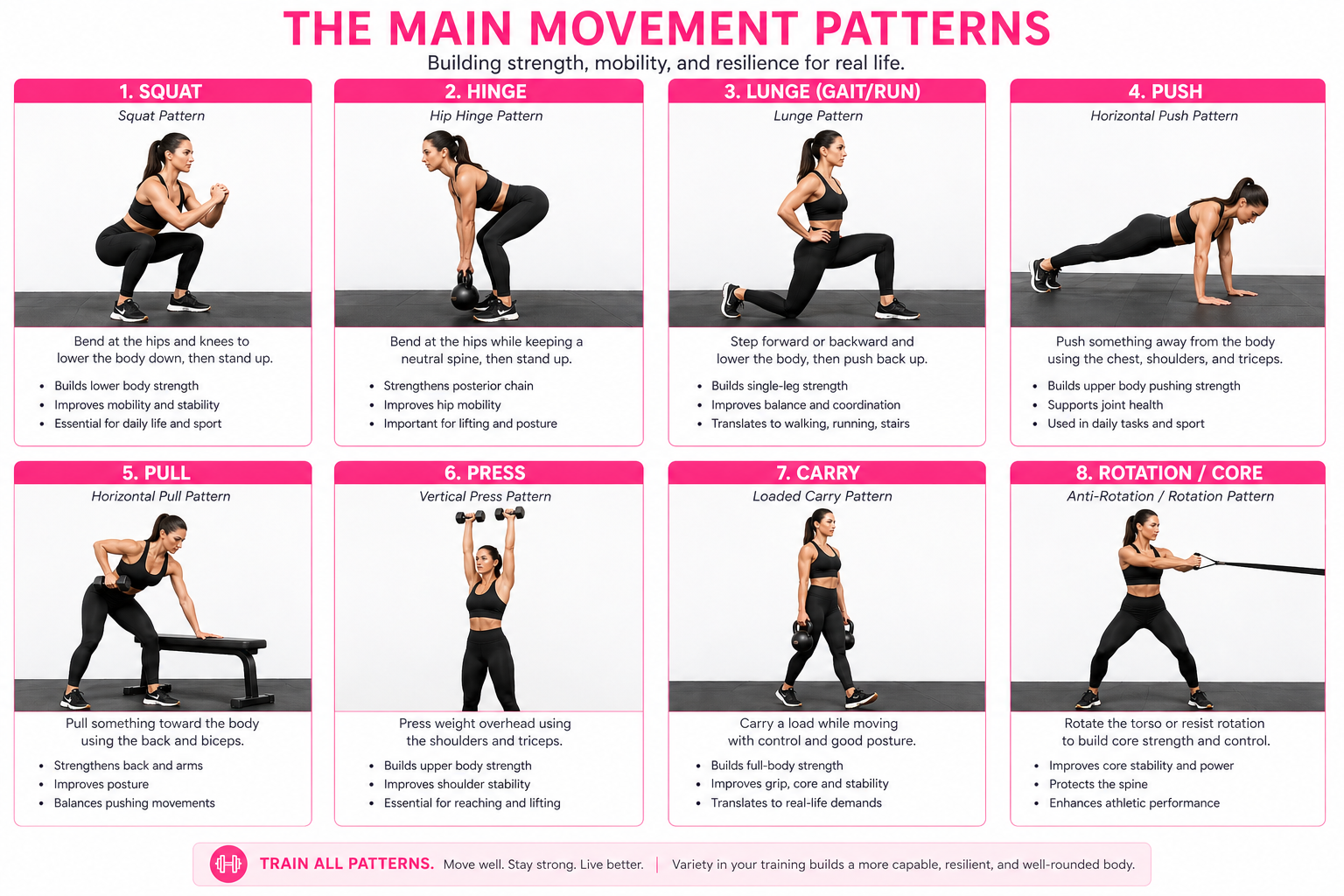
A lot of people think variety equals progress. But in the beginning, consistency is what creates progress. There are only a handful of movement patterns that everything else builds from, such as:
- Squats
- Hinges
- Lunges/walking
- Pushes
- Pulls
- Press
- Carry
- Rotation/core
You don’t need all of them at once. You just need a place to start. Getting really good at a few of these sets you up for so much more later.
Simple example: You practice sit-to-stands, supported hinges, and simple upper body pushes for a few weeks. Not forever, just long enough that they start to feel more natural, more controlled, and less like you have to think through every step. That’s how your body starts to actually get it.
STOP
Stop before things feel totally off. End the set while it still feels controlled. A little shaking is okay. That can be your nervous system learning. But once the movement starts to feel messy, rushed, or hard to control, that’s your signal to stop. Your body learns from quality, not exhaustion.
If you push until things feel sloppy, your:
- Joints take on more stress
- Movement gets less controlled
- Body starts to learn the wrong pattern
Stopping a little earlier keeps the signal clean and teaches your body how to move well. That’s what allows you to come back and repeat it again next time.
Simple example: If your squat starts to feel wobbly on rep 8, you stop at 7 next time, or stay at 8 but move slower so you can stay in control. You stay in that range until the movement feels steady from start to finish. That’s how you protect your body while it’s learning.
Your Body Might Change Faster on GLP-1
When you’re using a GLP-1, your body isn’t only losing weight. It’s changing how it carries weight, where it feels pressure, and how it organizes balance.
At first, exercise isn’t just about learning a new movement. It’s about learning it in a body that can feel different from one week to the next. This means movements that look simple might take a little more time and control to feel comfortable. Your nervous system is constantly updating its movement map in real time as your body changes. That’s why moving slow, starting small, using support, and staying steady are really important here. They give your body clear, repeatable signals to learn from while everything else is changing.
Photo Credits
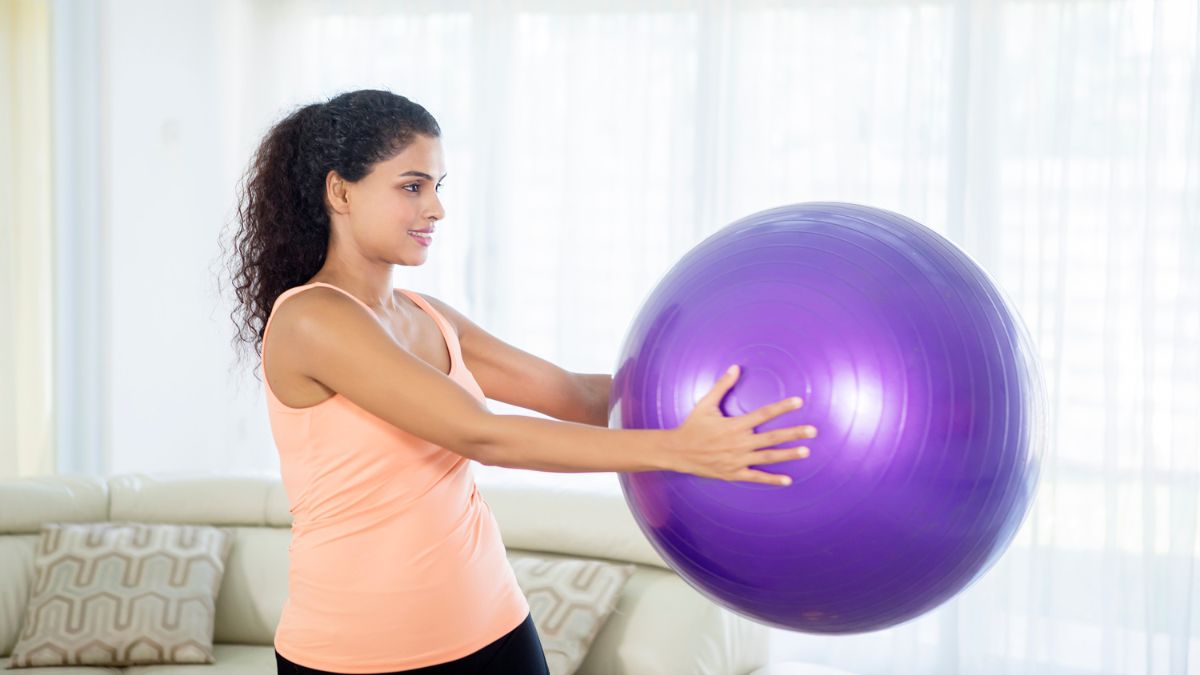
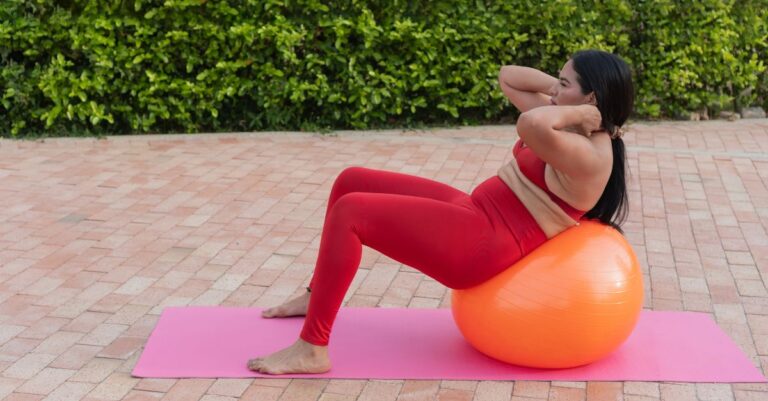
Woman Exercising with Ball by Creativa Images
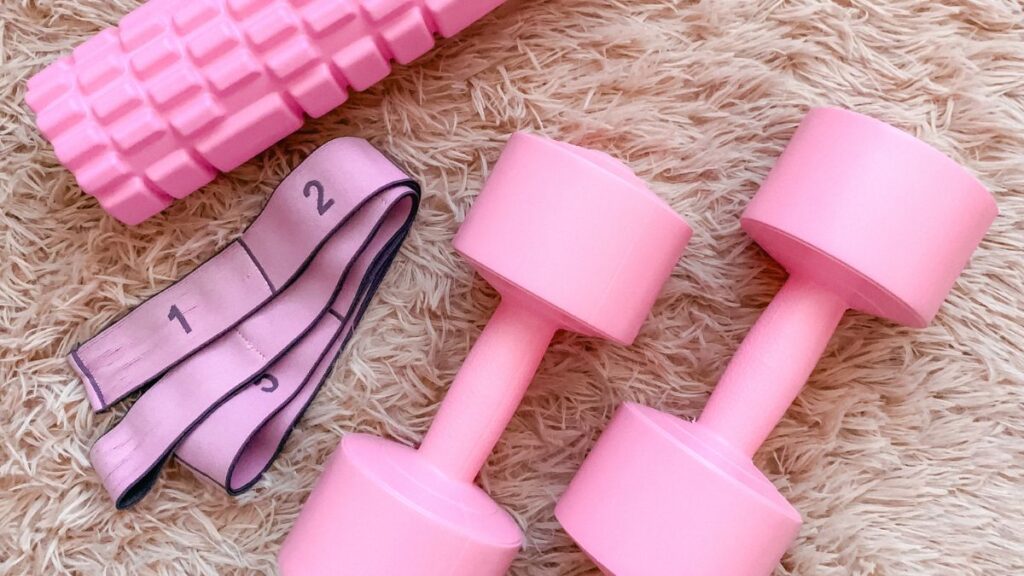
Pink Dumbbells, Roller, and Resistance Band by Julia Baade

For many women, GLP-1 medications have made weight...
If you’re living with type 2 diabetes or obesity...

Most women on GLP-1s aren’t avoiding exercise...

When you start taking better care of yourself, the...

Losing weight is not easy, no matter how much...