When you lose weight, your body doesn’t know you’re only trying to lose body fat. If you don’t give it a reason to hold on, it will let some muscle tissue go too. This is especially true if you’re not eating enough protein or doing some form of resistance training.
This is why some women start to feel weaker or more tired as the weeks go on. They’ve lost some of the tissue that supports daily movement and helps keep their system running well.
GLP-1 medications make it easier to eat less, which is incredibly helpful. But that also means your body has less coming in to maintain everything it needs.
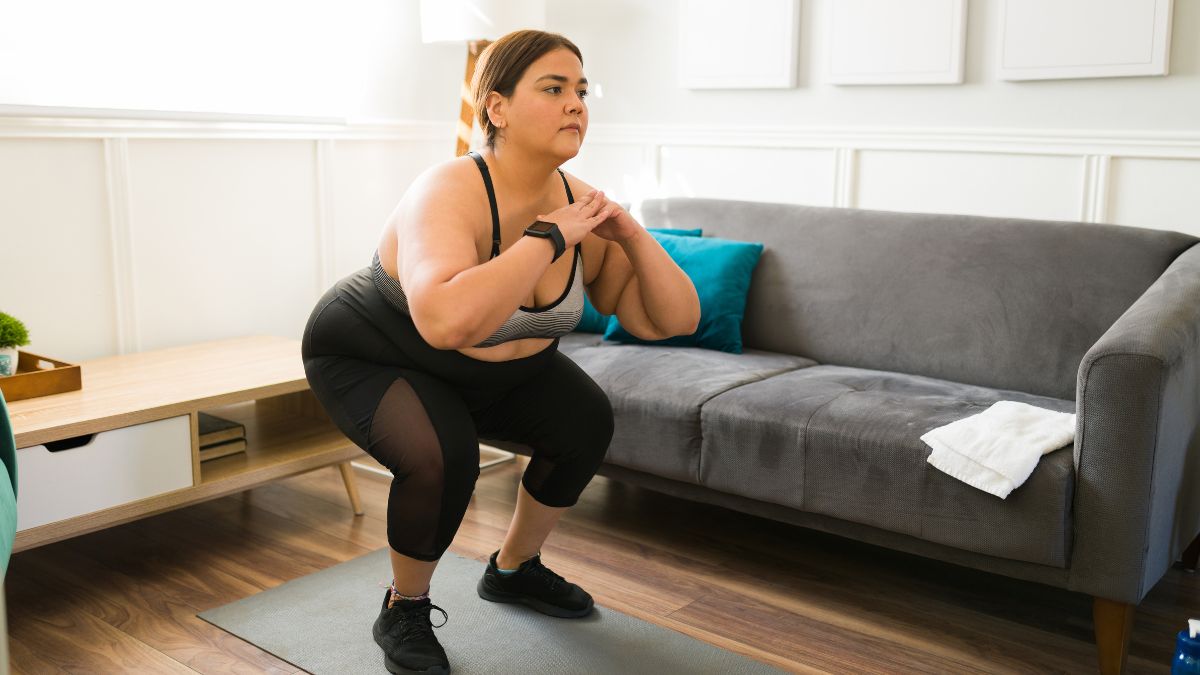
Getting enough nutrition and consistent resistance training give your body a reason to hold on to muscle and keep you functioning well as your body changes. You do not need an extreme schedule to gain the benefits, either.
Research continues to show that starting and remaining consistent is key. Two or three structured workouts each week that progress over time will usually accomplish far more than an ambitious plan that lasts only two or three weeks before life gets in the way, you get injured, or your body becomes too sore to continue comfortably. What helps is an exercise plan that fits into your life well enough to become part of how you care for your health.
Muscle Is the Body’s Glucose Storage System
GLP-1 medications improve how your body handles glucose (blood sugar). They help your body release insulin and make it easier for glucose to move out of your bloodstream and into your tissues for energy.
Your muscles handle most of the glucose in your bloodstream by storing and using it as fuel. When you lose muscle during weight loss, you also lose some of that storage space.
Strength training helps preserve and build that muscle. It also helps your muscles take in glucose during and after exercise, without relying entirely on insulin.
Over time, your body becomes more responsive to insulin and better at keeping blood sugar balanced.
GLP-1 medications and strength training support the same goal in different ways. The medication helps manage blood sugar, while strength training helps preserve the muscle your body uses to store and use it.
Protecting Muscle Protects Your Metabolism
Muscle isn’t just about looking toned or getting stronger. It helps support your body, keeps your energy more stable, and plays a major role in how your metabolism functions. When you train consistently, you’re teaching your body to hold on to the things that support everything else.
Resistance training also helps protect and rebuild:
- Strength – how efficiently your body can perform and recover
- Bone density – the structure that keeps you supported as weight changes
- Balance – your ability to move confidently without tripping or falling
- Stability – how well your joints and muscles control movement
This is what supports your metabolic resilience, your body’s ability to adapt and maintain energy as it changes.
You Don’t Need a Gym, You Need a Plan
You can build strong, functional muscle anywhere. You don’t need special equipment to get started. Use what you have: your body weight, resistance bands, or dumbbells.
During each session, focus on large muscle groups and controlled movement:
- Lower body (for strength and support): glutes, quads, hamstrings
- Upper body (for posture and stability): back, shoulders, chest
- Core (for balance and control): deep abdominals and stabilizers
Train two to three times per week and aim for progression, a little more challenge over time.
That matches what many experts1 are now saying: consistently training the major muscle groups at least twice each week matters more than following a complicated or “perfect” program. Especially for those who are just starting out.
Slow, steady reps under tension, along with brief holds and controlled pulses, do more to build strength and support your metabolism than rushing through a circuit. Try not to use exhaustion as your measure of a good workout. Instead, pay attention to how you control each movement and which muscles are doing the work.
And remember, your muscles act like sponges for glucose, and they become even more responsive when you move. You don’t have to go hard every day, but you do have to keep going. Walking, light mobility, and daily activity help keep your muscles sensitive to insulin, even on days you’re not strength training.
Muscle Is Your Foundation
Muscle supports your metabolism, your strength, and your independence. Move with control and your body feels more solid. Lift with intention and your energy and appetite become easier to manage. Build strength and you create a level of stability your body can rely on.
GLP-1s can help start the process, but strength training is what helps you carry it forward.
Updated 03/20/2026
Resource
- ACSM Unveils Landmark 2026 Resistance Training Guidelines — First Update in 17 Years https://acsm.org/resistance-training-guidelines-update-2026/ ↩︎
Photo Credits
Home workout by Mixetto from Getty Images Signature
Fitness trainer conducting a virtual session on a laptop by Arsenii Palivoda from Getty Images

For many women, GLP-1 medications have made weight...
If you’re living with type 2 diabetes or obesity...



Most women on GLP-1s aren’t avoiding exercise...

When you start taking better care of yourself, the...

Losing weight is not easy, no matter how much...