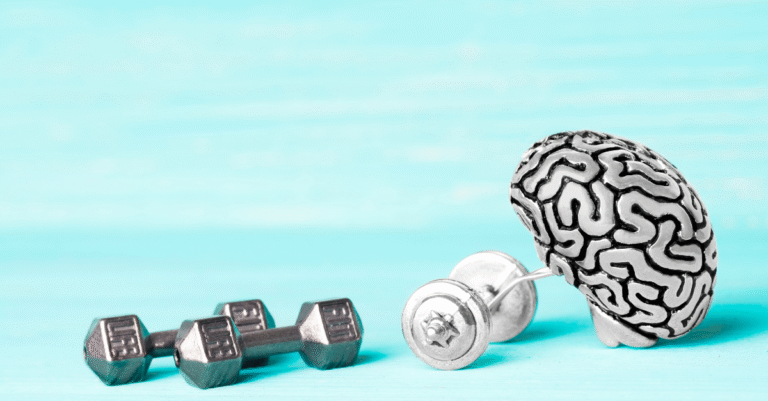
Most people usually associate GLP-1 meds with weight loss. But these meds aren’t just helping people lose weight; they may actually be helping people live longer and stay sharper, too. It’s not a guarantee and the science is still evolving, but the signal so far is genuinely promising.
A study, published in JAMA Network Open1, followed more than 60,000 people and completely shifted the conversation about what weight loss medications like GLP-1s (semaglutide) and dual GLP-1/GIP agonists (tirzepatide) can do.
To keep things accurate, researchers did a one-to-one match of 30,430 patients on GLP-1s with 30,430 on other diabetes meds, balancing age, weight, and health status.
It turns out, GLP-1s might also lower the risk of:
- Dementia by 37%
- Stroke by 19%
- Death from any cause by 30%
This wasn’t just a short-term snapshot. These findings are based on real medical records across seven years, from December 1, 2017, to June 30, 2024, so we’re looking at possible long-term protection.
The Strongest Results Were in Women Over 60
Researchers found that women over 60 with a BMI between 30 and 40 saw the biggest brain and heart benefits.
That’s huge, because women in this group are often told, or start to believe, they’re too old, too heavy, too far gone, or too late to change. But the science says otherwise.
Your body is still responding, and that means you’ve got more power than you’ve been led to believe.
GLP-1s Help with A lot, But Not with Everything
GLP-1s help regulate blood sugar, curb hunger, and reduce inflammation, but they can’t:
- Retrain your nervous system
- Help you get off the floor
- Prevent a fall
- Improve your balance and coordination
- Keep your muscles strong
- Boost your flexibility
This is when stacking your wins can be extremely important. Your medication does one part of the work, and training does the rest.
Moves That Support Your Brain (and Body)
You don’t need fancy equipment or a full workout to get started. These low-impact, brain-friendly exercises help reconnect your body and mind while gently building balance, control, and coordination. These are perfect if you are new to exercise or have not worked out in a long time.
Cross-Body Marches:
Trains coordination and rhythm between the brain and the body.
- Lift your right knee and tap it with your left hand
- Switch sides and repeat
Standing Balance Hold and Head Turns:
Trains your balance system, especially your inner ear, core, and body-brain connection.
- Stand near a wall for support
- Lift one foot an inch off the floor
- Slowly turn your head side to side
- Repeat on the other side
Slow Reaches with Toe Tap Back:
Great for posture, timing, and lower-body control.
- Stand tall
- Step one foot back and tap the floor gently
- Reach both arms forward as you tap
- Return to center and repeat
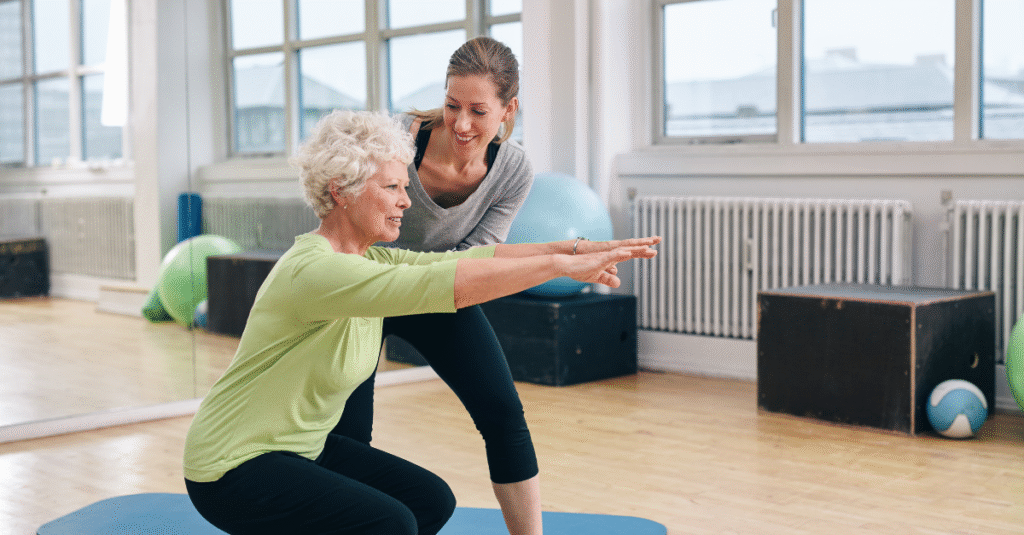
Start with five reps of each. Try them for a week and see how you feel. Move slowly. Let your brain catch up to your body. If you’re brand new to exercise, or your balance feels off, this is the kind of work that really matters. And in the beginning, having someone guide you through proper form can make a big difference. Don’t be afraid to reach out for help.
Resource
- Lin H, Tsai Y, Liao P, Wei JC. Neurodegeneration and Stroke After Semaglutide and Tirzepatide in Patients With Diabetes and Obesity. JAMA Netw Open. 2025;8(7):e2521016. doi:10.1001/jamanetworkopen.2025.21016 https://jamanetwork.com/journals/jamanetworkopen/fullarticle/2836412 ↩︎
Photo Credits
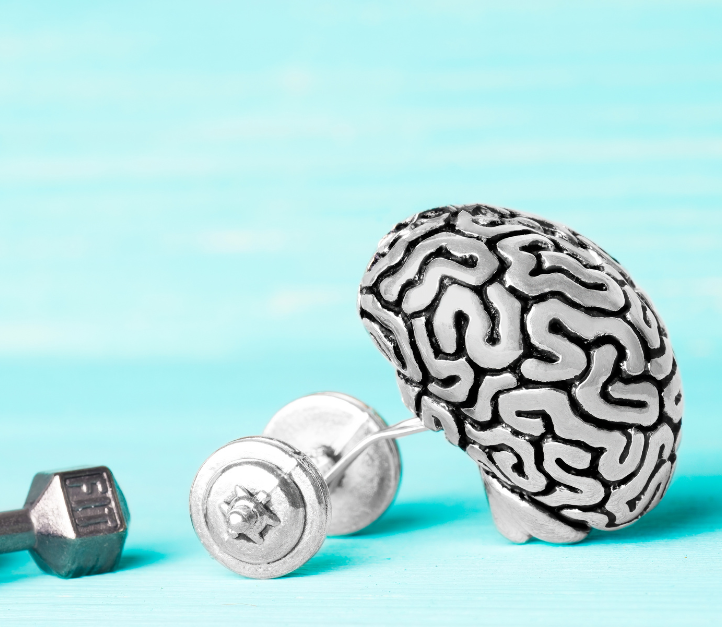
The human brain doing exercises to strengthen the mind by Ekaterina Chizhevskaya from Getty Images
Woman Doing Exercise with Her Personal Trainer by Jacob Lund
If you’re on a GLP-1 and trying to lose weight...

Your body has settings you were born with, and...
Most people usually associate GLP-1 meds with...
GLP-1 medications have made weight loss feel...

Walk through any grocery store and it’s tough to...
Have you ever finished a full meal and still felt...