We talk a lot about the dangers of living in a deeply unwell body, but unhealthy doesn’t always look the way you expect.
Sometimes, it’s the really fit-looking, ultra-motivated, gym-dedicated woman who is struggling too. Obsession can look like discipline and strength from the outside, but behind the scenes it’s stiff, panicked, exhausting, and even fear-driven.
Fitness isn’t just physical; it’s very much mental too. Unlearning old patterns and relearning what healthy actually looks and feels like can be really hard with all the noise, comparisons, and misinformation out there.
She Looks Fit, But She’s Trapped
She wakes up super early every single day, not because she always feels energized, but because she’s terrified of falling behind.
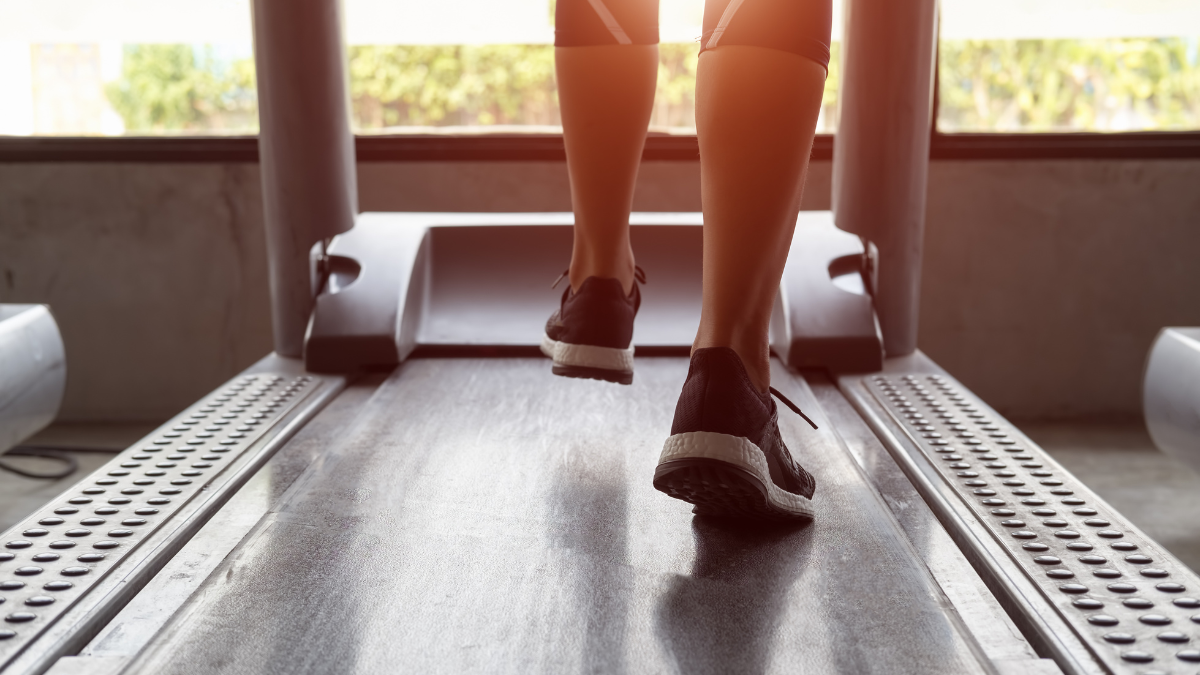
She absolutely cannot miss a workout, even if she is extremely sore, in pain, injured, or just exhausted. Rest feels like failure and a waste of her time. She doesn’t care or listen, no matter how many times someone tells her about the importance of recovery.
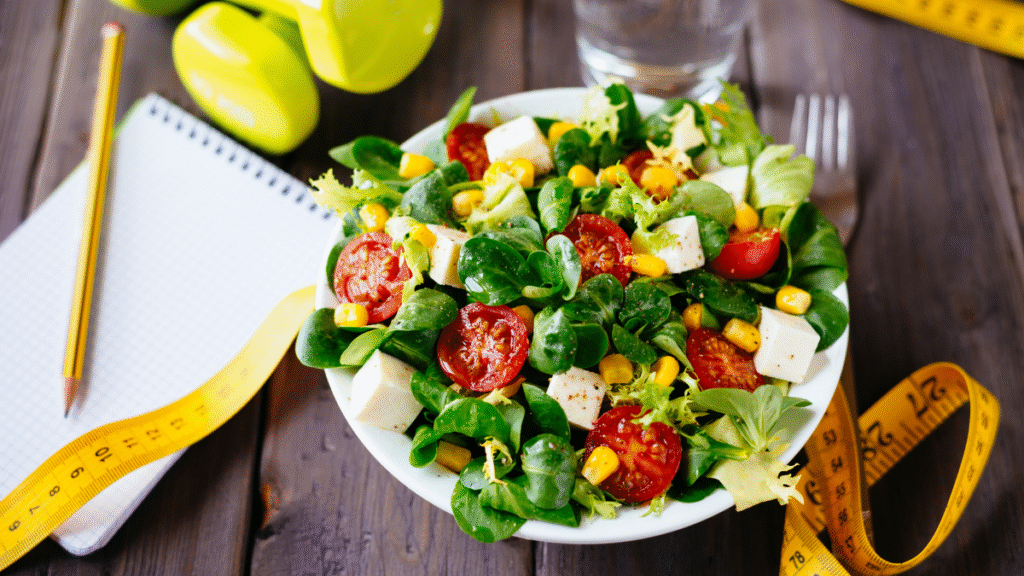
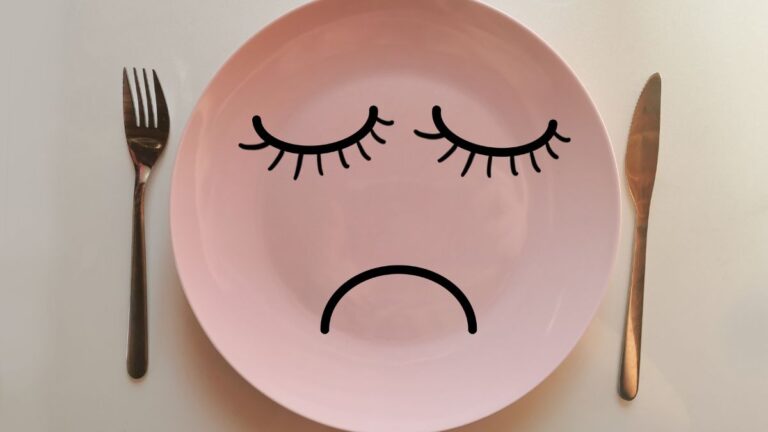
She doesn’t meal prep or eat well because she enjoys nourishing her body; she does it because the idea of eating anything “off plan” triggers pure panic. She takes control to another level.
She gets cravings (like every other human) but never says yes to her favorite desserts because she’s horrified of what one “slip” could mean.
Every Bite Is Measured & Every Move Accounted For
She religiously tracks macros, counts calories, and logs every workout.
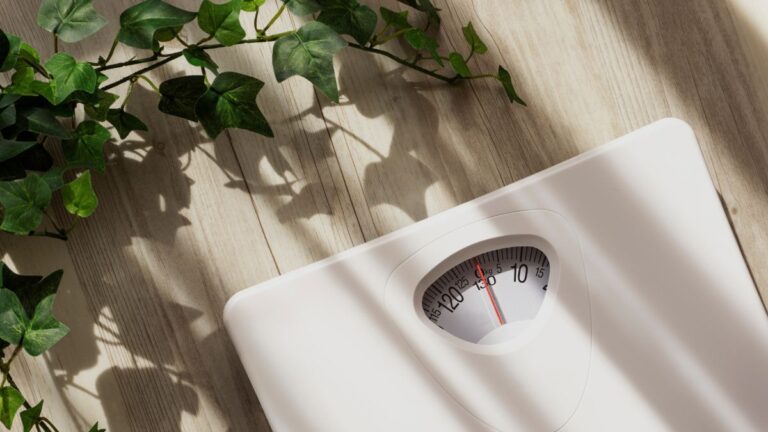
If the scale moves up just one ounce, it ruins her entire day. She knows hormones, water retention, and certain meals can cause the scale to shift day to day, but she blames herself instead of biology.
If she eats something she has labeled “bad,” the self-bashing and guilt hit hard. She tells herself she’ll make up for it tomorrow, which means she doubles the rep count, runs an extra mile, and eats less. She might even skip a meal (or two).
She always ends up binging (because restriction eventually leads there). But she doesn’t realize, or maybe even care, that it’s her body actually begging her for more nutrition.
Then, when people compliment her on her looks, she registers that as success, keeping her trapped and unwell (and society’s continued praise only reinforces it).
And this is where the way we talk about bodies matters more than we realize. I think, as a society, we are slowly but finally learning to be more careful about commenting on weight loss or appearance, because bodies change for many reasons and not all of them are healthy, wanted, or simple.
This is especially true in spaces like obesity care or GLP-1. But that same awareness is rarely applied to bodies that look “fit.” We still praise leanness and what we perceive as visible control as if they automatically mean health, even when they are coming from fear, restriction, or exhaustion.
When we reward the look without understanding what’s going on underneath, we end up reinforcing the exact patterns that keep people unwell.
What She Really Feels (but can’t admit):
- Anxious all the time
- Unsatisfied, like her efforts are never enough
- Scared to ease up (even a little) because she’ll lose everything that she’s worked so long and hard for
Fear drives all of her decisions. She is so afraid of weight gain, judgment, and disappointing herself.
The Problem with Perfectionism in Disguise
This isn’t discipline, it’s dysregulation. But society doesn’t treat it the same way it treats other mental or physical health conditions, because it’s disguised and not always visible.
This is a serious form of disordered eating dressed up as wellness, and overtraining pretending that it’s discipline. It’s really about not knowing how to deal with something on the inside that is much bigger than it looks from the outside. It’s a form of self-punishment.
Her body looks “healthy” and “fit,” but her mind is beyond exhausted, and she really needs help. Non-judgmental. Authentic help. And alone, unlearning this cycle feels impossible because her identity is wrapped in staying “healthy.”
But this is not healthy.
Not the Full Answer but a Place to Start
There is never a simple solution to anything this complex. And going from one extreme to another, or quitting altogether, can be harmful.
But we know that being healthy doesn’t mean:
- Punishing yourself with workouts (move for function and strength, not harm).
- Obsessing over every bite of food (eat for energy, not restriction).
- Earning rest or feeling guilty for taking it (muscles grow during recovery, not during workouts).
- Being terrified of flexibility (rigid things break easily).
- Forcing your body to stay the same forever (we are supposed to change, adapt, and evolve).
True wellness isn’t about looking the part. It’s about being able to move, eat, rest, and live without fear or guilt running the show. Because what’s the point of looking “fit” if your mind is constantly exhausted, anxious, and living by all these ever-changing rules?
Being “fit” should not feel like a full-time job… or a prison sentence.
Struggling with your body doesn’t always look the same. Some women are stuck in patterns of over-control, while others feel like they can’t start at all. Both are hard in different ways. No matter which side you’re on, finding a way to feel good in your body without fear running everything means not being afraid to ask for help when you need it.
If any part of this feels familiar and you’re not sure where to turn, here are a few places that offer solid, non-judgmental support and information:
National Eating Disorders Association (NEDA): They help with disordered eating, compulsive exercise, and perfectionism around food and body. They have screening tools, education, and ways to find help without immediately pushing treatment.
National Alliance for Eating Disorders: They provide practical education, have a treatment finder, support groups, and use very accessible language.
Psychology Today Therapist Directory: This directory helps find therapists filtered by:
- eating disorders
- body image
- anxiety
- trauma
- obsessive behaviors
International OCD Foundation (for control/perfectionism overlap): When the issue is less about food itself and more about rigid thinking, control, rituals, or fear-based behavior.
Updated January 24, 2026
Photo Credits
Person Running on a Treadmill by kanchanachitkhamma
Healthy fitness salad by Martinina from Getty Images Pro

Starting a fitness routine or healthy eating plan...
Being fit and balanced doesn’t mean extreme. It’s...
Did you know that during the 1930s–1950s, tobacco...

Losing weight is a major accomplishment. But even...

Have you ever finished a full meal and still felt...
Your body uses energy every minute of the day...