
How Your Environment Shapes Your Fitness and Nutrition Goals

Bright Kitchen Counter with Fresh Fruit

Starting a fitness routine or healthy eating plan usually feels like a personal decision. But if you live with a partner, kids, parents, or roommates, your surroundings and the people in them can have more influence than you realize.

Behavioral psychology shows that your environment is one of the biggest “secret helpers” or “hidden blockers” for changing routines or habits, especially with fitness and nutrition1.


How Habits Form in Your Environment

When you do something again and again in the same setting, your brain starts linking that behavior with cues in that place. For example:

  • You always grab a bag of chips when watching TV at night, so your brain connects TV time with eating chips.
  • If you always tie your sneakers by the front door and then go for a walk after dinner, seeing the sneakers reminds you to move.

Your brain likes shortcuts, so it creates “automatic actions2” based on where you are and what’s around. These automatic actions become habits. You do them without thinking much. It’s why sometimes even when you want to change (like eat healthier or exercise more), you end up following old patterns just because your environment triggers those habits.  

The People You Live with Matter More Than You Think

Everyday habits are contagious. Research shows we naturally mirror the people around us (this starts in childhood with our caretakers).

  • Shared routines: If the people you live with stay up late, order takeout every day, or hardly move, those patterns and behaviors can become yours too.
  • Comments and attitudes: Supportive words and actions are motivating. But comments like “just skip the workout for today” or “one more slice won’t hurt” can mess with your consistency.
  • Barriers: Busy schedules or shared spaces might make workouts more challenging to fit in unless they’re planned.

Your Kitchen Sets the Stage

What you see is what you eat. Visual cues matter more than willpower. 

  • Counter clutter: Bowls of chips or cookies signal snack time all day.
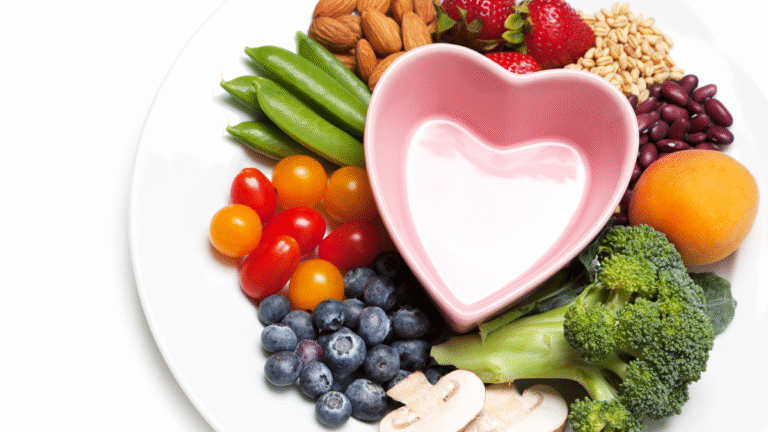
  • Colorful fruits:  Bright, natural colors catch your eye and remind your brain of sweetness and freshness. It’s a built-in reward signal, a cue that what you’re about to eat will taste good and feel good after.
  • Fridge setup: Prepped veggies and protein at eye level make healthy choices an easy grab.
  • Serving habits: Large plates and open bags invite overeating without realizing it. Use smaller plates or bowls to stay aware.

Quick kitchen wins:

  • Place ready-to-eat vegetables in clear containers at eye level.
  • Put fruit in pretty bowls on the kitchen counter.
  • Store sweets and processed snacks out of reach.
  • Keep water and sparkling water chilled and visible.

These small shifts make balanced and healthier choices almost automatic.

Your Home Layout Affects Movement

Your space can either invite or discourage movement, so making these practical tweaks in your environment can be powerful3:

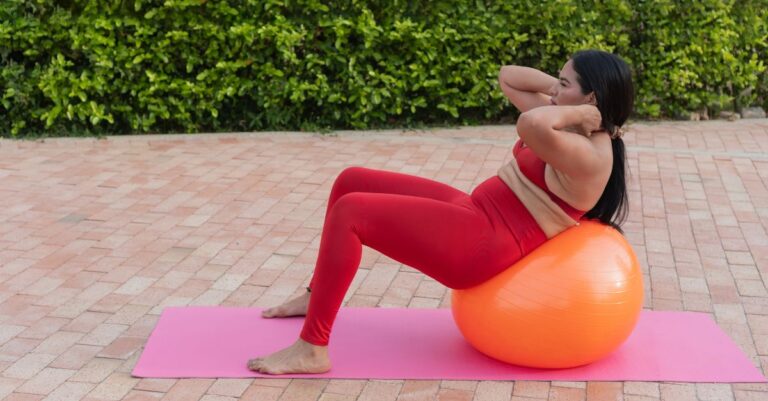
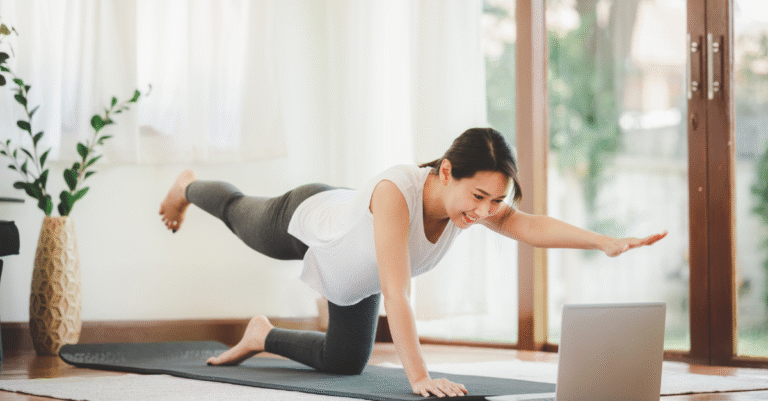
  • If you need to move furniture every time you want to exercise, you’re less likely to do it. Set up a small “movement corner” with a mat, dumbbells, or bands. Even a space just a little larger than your mat gives you room to reach, stretch, and move freely. You don’t need a full gym, just a spot that’s always ready for you.
  • Lay out your cute workout clothes and sneakers the night before, making it easier to get moving in the morning or after work.
  • Set a phone alarm to remind you to stand up and stretch every 30 minutes when you watch TV to sneak in movement during shows.
  • Place a water bottle on your desk to remind you to drink more water throughout the day.
  • Think about getting a standing desk for work if that is an option.

The more your environment “matches” your goals, the less you’ll need to rely on willpower4. These micro-environments add up to more natural movement without extra time or too much effort.
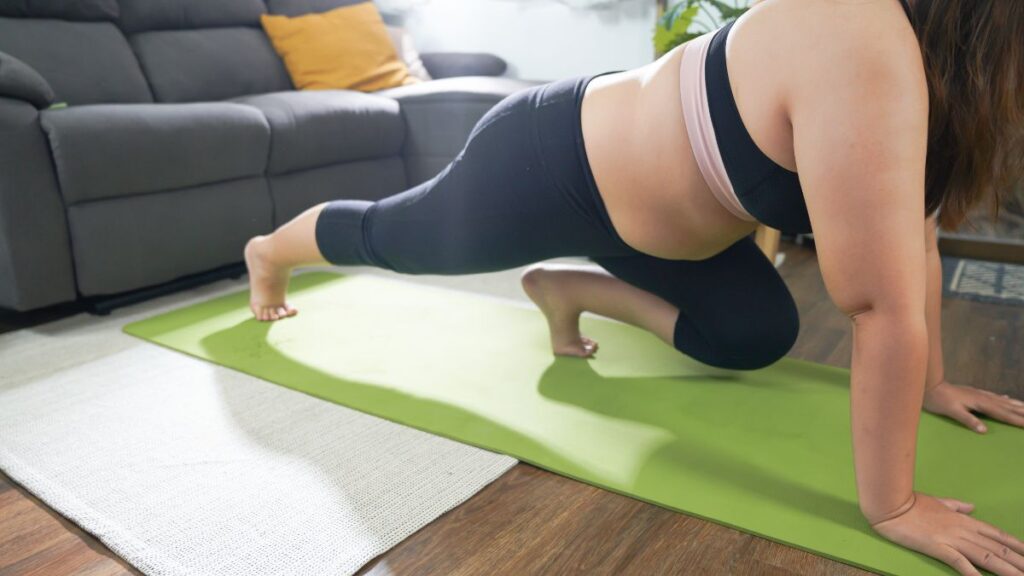
Woman exercising for weight loss

Social Circles Extend Beyond Home

Even if you live alone or have prepped your home environment, your friends, co-workers, and online communities can still shape your habits. For example:

  • Social norms: Friends who meet for coffee walks or share nutritious recipes create a culture of health. Others might normalize skipping workouts or overeating.
  • Support systems: A text from a workout buddy or a trainer can provide accountability even from miles away.

Build a network:

  • Find a live virtual workout group or sign up for live one-on-one Zoom training to feel connected without leaving home.
  • Share your wins and challenges with a small, trusted circle instead of broadcasting them to everyone.

Mental Environment Counts, Too

It’s not physical space; the emotional tone and vibe of your surroundings matter.

  • Stress and clutter: Constant noise or mess can increase stress hormones, which influence hunger and energy levels.
  • Boundaries: Without them, work emails or family demands can cut into movement and meal prep time.

Handling Sabotage or Negative Reactions

Unintentional or intentional sabotage is common when others feel threatened by your changes.

  • Stay calm, focused, and firm if someone tempts, mocks, or pressures you. Just repeat your boundaries and thank them for caring about you.
  • Remember, their reaction most likely has nothing to do with you; it might be about their own feelings or habits.
  • Refocus on self-care and personal motivation when faced with resistance, so you don’t take it personally.

Final Takeaway

Your environment plays an active role in your fitness and nutrition goals. Small, steady changes like reorganizing your kitchen, creating a workout spot, or setting simple boundaries stack up fast.

When your space begins to support you, you’ll feel how much easier it is to stay consistent.


Resource

  1. How Your Environment Shapes Your Habits https://www.psychologytoday.com/us/blog/parenting-from-a-neuroscience-perspective/202503/how-your-environment-shapes-your-habits ↩︎
  2. Linder N, Giusti M, Samuelsson K, Barthel S. Pro-environmental habits: An underexplored research agenda in sustainability science. Ambio. 2022 Mar;51(3):546-556. doi: 10.1007/s13280-021-01619-6. Epub 2021 Sep 14. PMID: 34519955; PMCID: PMC8800991. https://pmc.ncbi.nlm.nih.gov/articles/PMC8800991/ ↩︎
  3. Fruh S, Williams S, Hayes K, Hauff C, Hudson GM, Sittig S, Graves RJ, Hall H, Barinas J. A practical approach to obesity prevention: Healthy home habits. J Am Assoc Nurse Pract. 2021 Jan 27;33(11):1055-1065. doi: 10.1097/JXX.0000000000000556. PMID: 33534281; PMCID: PMC8313625. https://pmc.ncbi.nlm.nih.gov/articles/PMC8313625/ ↩︎
  4. Fruh S, Williams S, Hayes K, Hauff C, Hudson GM, Sittig S, Graves RJ, Hall H, Barinas J. A practical approach to obesity prevention: Healthy home habits. J Am Assoc Nurse Pract. 2021 Jan 27;33(11):1055-1065. doi: 10.1097/JXX.0000000000000556. PMID: 33534281; PMCID: PMC8313625. https://pmc.ncbi.nlm.nih.gov/articles/PMC8313625/ ↩︎

Photo Credits

Woman with Hair Loss by rattanakun

Young Woman with Hair Loss Problem by Africa images

Editorial Note: Portions of this article were supported by editorial tools, including AI. All content is researched, written, and reviewed by me before publication.

This article is for educational purposes and is not intended to replace medical consultation. Always consult a healthcare professional before making health-related decisions.

Read the full disclaimer here. 

The Remedy Method

Most programs teach exercise.

The Remedy Method retrains how your body communicates: how your brain, muscles, and movement work together again after change.

It blends corrective exercise, Pilates control, and progressive strength in a way that helps your body relearn balance, rebuild strength, and move with confidence again.

If your body feels different and you’re not sure where to start, this is the method designed for exactly that.

Join the Waitlist for
The Remedy Personal Training Program

This waitlist doesn’t go into a black hole. I personally review every name on this list and reach out when new spaces open up.

    This is where it begins.

    Before we book anything, I’d love to hear your story. Every woman’s GLP-1 path is unique, and this form gives me a sense of what matters most to you right now. From there, I’ll follow up personally so we can decide together what feels best next.

    Is The Remedy Method
    Right For Me?

    1. Are you currently using a GLP-1 medication?

    2. How often do you notice nausea, dizziness, low energy, or fast fatigue during movement?

    3. Have you noticed changes in your balance, coordination, or stability since your body started changing?

    4. Do certain movements feel awkward or disconnected now, like squats, lunges, bending, stepping, or getting off the floor?

    5. Do you notice any of these when you move or exercise? (Select all that apply.)

    6. Do you feel comfortable exercising in a public gym or group class?

    7. Does the idea of guided instruction sound helpful right now?

    8. Have you ever felt rushed, judged, or misunderstood by past trainers or programs?

    9. What matters most to you right now? (Select all that apply.)

    10. Do you want a structured plan with phases that build on each other?

    11. Can you commit to training at home with simple equipment or none at all?

    12. Would you benefit from having a trainer watch your form and guide your pacing in real time over Zoom?

    This quiz is for education and reflection. It is not a medical screen or diagnosis. Always follow the guidance of your medical team for movement and exercise.

    GLP-1 Nutrition
    Reflection Tool

    A quick check-in on your last meal and today’s patterns so you can see what your body might be asking for next.

    Step 1 of 4
    Think of your last meal. How many different colors were on your plate?
    Where did most of the color come from?
    What was the main protein in your last meal?
    How was that protein prepared?
    How many sides did you have with that meal?
    What best describes your sides? (Choose all that apply.)
    How were your sides prepared?
    What was the main starch or grain at your last meal?
    How much of your plate did that starch or grain take up?
    Which of these were part of your last meal? (Choose all that apply.)
    About how long did it take you to eat your last meal?
    What were you doing while you ate?
    Where did your last meal come from?
    How long did it take to get that meal from “I’m hungry” to “let’s eat”?
    How easy was this meal to put together?
    Were you able to finish everything on your plate?
    How did you feel 30–60 minutes after that meal?
    So far today, how many different fruits have you eaten?
    So far today, how many different vegetables have you eaten?
    How many times have you reached for a snack today?
    Which of these sounds most like your typical snack today?
    What color were most of your drinks today?
    Did you add anything to your drinks to make them taste better?
    In the past week, how often have you felt too full to finish a small or normal-sized meal?
    In the past week, how often have you felt nausea or strong discomfort after eating?
    In the past week, how often have you gone more than 5 waking hours without eating anything?
    Thinking about a typical day, how do your meals usually look?
    Over the past week, how has your sleep been?
    Do you have any kind of evening wind-down routine?
    Your GLP-1 Meal Reflection
    What this might be telling you
    Optional: next-step ideas

      BMI & Waist Check

      Unit of measure

      Sex

      Age (years)

      Height (feet)

      Height (inches)

      Weight (pounds)

      Waist circumference (inches, optional)

      This tool is for education only. It cannot diagnose medical conditions. If you have new symptoms or health concerns, talk with your medical team for guidance. For adults only. BMI is one data point and does not reflect muscle, body composition changes on GLP-1s, or overall health.

      Is The Remedy Method
      Right For Me?

      1. Are you currently using a GLP-1 medication?

      2. How often do you notice nausea, dizziness, low energy, or fast fatigue during movement?

      3. Have you noticed changes in your balance, coordination, or stability since your body started changing?

      4. Do certain movements feel awkward or disconnected now, like squats, lunges, bending, stepping, or getting off the floor?

      5. Do you notice any of these when you move or exercise? (Select all that apply.)

      6. Do you feel comfortable exercising in a public gym or group class?

      7. Does the idea of guided instruction sound helpful right now?

      8. Have you ever felt rushed, judged, or misunderstood by past trainers or programs?

      9. What matters most to you right now? (Select all that apply.)

      10. Do you want a structured plan with phases that build on each other?

      11. Can you commit to training at home with simple equipment or none at all?

      12. Would you benefit from having a trainer watch your form and guide your pacing in real time over Zoom?

      This quiz is for education and reflection. It is not a medical screen or diagnosis. Always follow the guidance of your medical team for movement and exercise.

      Movement Pattern Starting Point

      1. How do your knees feel when you walk, use stairs, or stand up from a chair?

      2. How does your low back feel today?

      3. How steady do you feel on your feet?

      4. Can you safely get down to the floor and back up on your own?

      5. Any foot or ankle pain when you walk or stand?

      6. Right now, how confident do you feel about moving your body?

      This tool is for education only. It cannot diagnose injuries. If you have strong pain, falls, or new symptoms, talk with your health care team before starting or changing your exercise plan.

      GLP-1 Training
      Readiness Check

      1. Have you eaten a small meal or snack in the last 2 to 3 hours?

      2. How is your stomach right now?

      3. How is your energy right now on a scale from 1 to 10?

      4. Have you felt dizzy, faint, or lightheaded when you stand up today?

      5. Any new sharp pain, chest tightness, or trouble breathing since your last workout?

      This tool is for education only and does not replace medical advice. If you ever feel unsure, choose rest and contact your health care team.

      Macro Split Calculator

      kcal

      You can use your TDEE number from the TDEE calculator or enter any calorie target your medical team or coach has given you.
      Use my TDEE Calculation

      Protein: 0 g per day

      Fat: 0 g per day

      Carbs: 0 g per day

      These macro splits are set for people using GLP-1 medications or going through weight loss. Protein is higher to help protect lean muscle and support fullness. Fats are set at a steady level to support hormones and absorption of vitamins. Carbohydrates stay high enough to support energy and movement. This is a starting point, not a prescription. Your medical team may adjust your needs based on your health, labs, and medication plan.

      Daily Protein Target

      lb

      Recommended range:

      0 to 0 grams per day

      This range is an estimate based on body weight and strength training level. It is a guide, not a strict rule. Your medical team may adjust your protein needs, especially while you are on GLP-1 medication.

      TDEE & BMR Calculator

      lb
      in

      BMR: 0 kcal per day

      TDEE: 0 kcal per day

      These are estimates. Calculators may read low for people with more muscle and may not work well for people living with obesity. Use as a guide, not an exact number.

      Form-focused. Emotionally aware. Personalized support from the comfort of your home.

      Live Virtual Training Options

      Private, 1:1 via Zoom

      2 Sessions Per Week

      $35–$40 per session

      24 total sessions (12 weeks)

      Pay in Full:

      $840 ($35/Session)

      Best value. One-time payment. | 30-Day Money-Back Guarantee

      Pay Monthly:

      $320/month for 3 months ($40/session)

      Flexible plan.

      3 Sessions Per Week

      $35–$40 per session

      36 total sessions (12 weeks)

      Pay in Full:

      $1,260 ($35/session)

      Best value. One-time payment. | 30-Day Money-Back Guarantee

      Pay Monthly:

      $480/month for 3 months ($40/session)

      Flexible plan.

      Simple. Transparent. No surprises.

      Live, personalized training. No app. No gym. Support that adapts to your body and your life.

      Apply for
      The Remedy for Good Scholarship

      This scholarship is for women who are ready to invest in their health—but need a little support to make it happen. I offer a limited number of reduced-rate spots each quarter to help ease the financial burden that can come with GLP-1 medications and other medical costs.

      This isn’t about proving you’re “struggling enough.” It’s about honesty, readiness, and showing up for yourself. If you’re motivated to make a change and just need a boost to get started, I’d love to hear your story.

      A few things to know before applying:

      • This is a partial scholarship, not a free program.
      • Spaces are limited. If you’re not selected this round, you’re welcome to apply again in the future.
      • All info shared is confidential and read only by me.

      Let’s find out if this is a fit for you.