Why Your New Healthy Lifestyle Makes People Act Weird

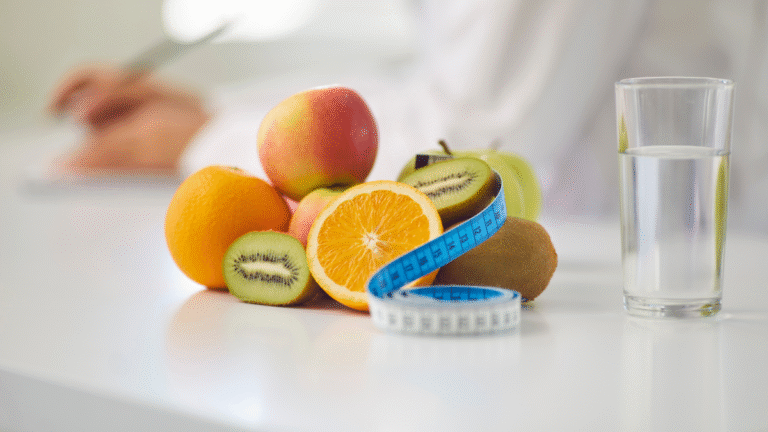
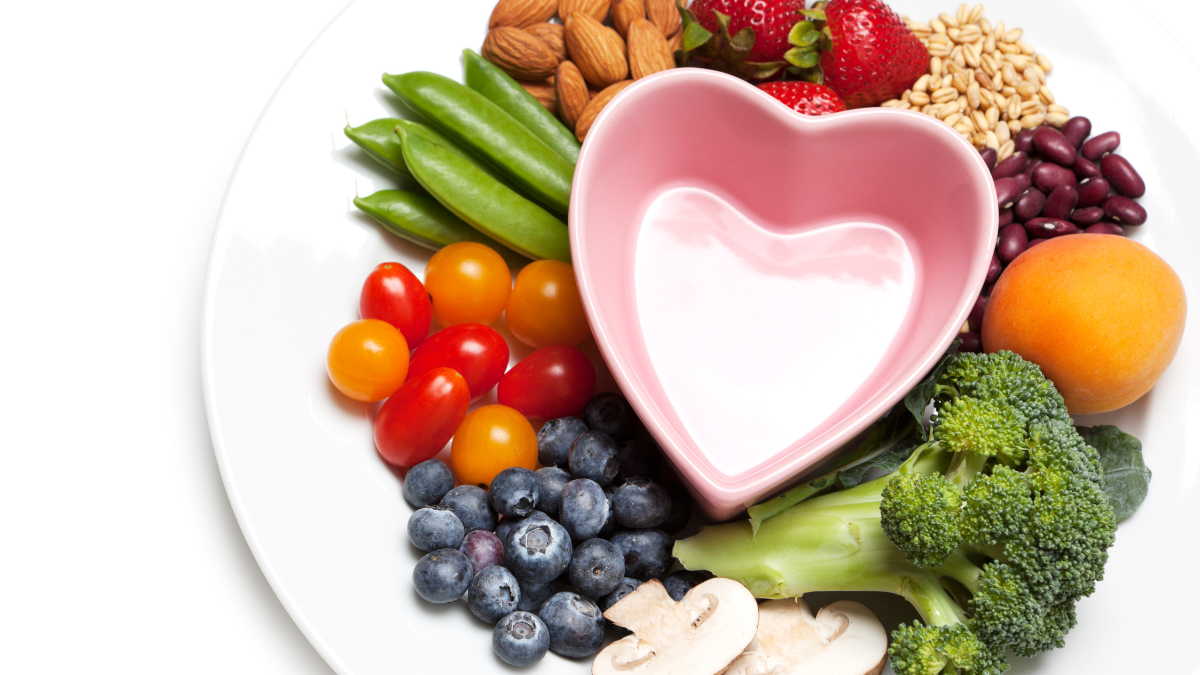
Illustration of a delicious plate of fresh whole foods

When you start taking better care of your mind or body, the people closest to you don’t always react the way you expect. Instead of support, you might get the cold shoulder, criticism, or even ultimatums. They react this way because your change threatens their comfort zone.

With weight loss medications like GLP-1s or GIP therapies, the pushback can feel even harsher. I hear from women who are told they’re “too thin,” “cheating,” or “taking the easy way out” just because the treatment they chose is actually working.

Here’s the truth. You did something that helped. You feel better, you look fantastic, your doctor sees the improvements, and your labs back it up. Yet the very people you thought would celebrate act like your progress is their problem.

This isn’t about you doing something wrong. It’s about them. Your growth unsettles what feels normal to them. That tension is real. And it’s one of the hardest parts of change.


What They Don’t See If You’re Using a GLP-1

People look at you and think the shot is doing everything. They don’t see you getting up super early for a workout when you’d rather stay in bed. They don’t see you planning meals or skipping the mindless late-night snacking that used to feel automatic. They don’t know about the doctor appointments, the labs, or the decisions you make every single day to keep going. They have no idea the mental toll this takes on you.

They cut it down to one thing, the medicine, because it’s easier for them to believe you had it “handed” to you than to admit you’re working harder than they are. That’s why comments like “must be nice” or “you’re cheating” cut so deep. They erase all of your effort.

But you and I both know that the medicine helps regulate appetite, but it doesn’t cook, it doesn’t move your body, and it doesn’t keep you consistent. That part is you. And if they can’t see it (or take the time to understand it), that’s on them, not on you.

Spotting and Handling Pushback

Pushback shows up more often than you think. It’s any action or comment that makes it harder for you to keep moving forward. Sometimes people do it on purpose, and sometimes they do it without even realizing it. Either way, the result is the same: it makes you feel bad.

It can look like this:

  • Pressure: “Skip your workout and watch a movie with me.”
  • Criticism: “You’re no fun anymore since you stopped drinking.”
  • Dismissal: “That medicine is doing it all for you, you don’t need exercise.”
  • Silent digs: Eye rolls, sighs, or “jokes” that aren’t funny at all.

Each of these chips away at your confidence, but they don’t have to. Here’s how to deal with it:

  • Pause before reacting. Take a breath. Label it as pushback and remind yourself this is about their discomfort, not your choices.
  • Keep it short. If you want to respond, use one simple line: “This is working for me.” You don’t owe a long explanation.
  • Choose your circle. Share wins with people who actually support you; people who lift you up. Not those who drag you down or disrespect you.
  • Set boundaries. If someone keeps crossing the line, limit how much you talk about your health around them. Boundaries protect your energy.
  • Refocus on proof. Every smart choice, workout, nutritious meal, and every lab result is proof you’re doing the work. Let that matter more than their opinion.

Pushback hurts, but when you spot it and decide how to respond, you keep the power in your hands.
Pink dumbbells for GLP-1 Fitness

Why Do People You Love Do This?

There are many reasons why people push back or try to sabotage your progress, and as mentioned before, it’s not really about you. It’s about what your changes bring up in them. Some of the most common reasons are:

  1. Jealousy –You’re feeling better, and that makes them notice they don’t. Instead of cheering you on or trying to make better choices in their lives, they compare themselves to you.
  2. Fear of Change – Change means the Friday pizza tradition might not look the same anymore. That feels like a loss to them, even if it’s just one meal.
  3. Feeling Judged – You’re not judging anyone, but your choices hold up a mirror. They see their own habits, and it makes them uncomfortable, so they push back.
  4. Loss of Control – If food or old routines were how someone felt close to you, your new patterns can make them wonder if they’re losing their place in your life.
  5. Comfort With the Old Way – The old way feels normal. Normal feels safe. And your change, healthy or not, shakes that up.

Your growth rattles what they’ve gotten used to. And that’s their work to deal with, not yours.

Protecting Your Lane Without Controlling Others

One of the biggest mistakes people make when they start feeling better is trying to pull their family or friends along too. It doesn’t come from a bad place. You feel good, and you want that for them. But forcing it almost always backfires. It feels like pressure, and the harder you press, the more they resist.

The better path to take is to stay in your lane and focus on yourself. Be consistent. Let your actions speak louder than words. Over time, people notice. Some may even join you, not because you pushed them, but because your steady example pulled them forward.

A few things to keep in mind: you don’t need to control anyone else. If your partner orders takeout every night, you don’t have to police it. You can take a walk, shower, or prep your own food instead.

Keep your routines visible by filling your water bottle, lacing up your shoes, or rolling out your mat where people can see. Those small actions speak for themselves.

Finally, build anchors for yourself. Simple habits like go-to snacks, workouts, or a set bedtime routine make it easier to stay steady when the environment around you isn’t supportive.

Remember, your job is not to change everyone else; it’s to protect your progress (and ignore the haters).

Moving Forward

Your progress will not always be met with applause or excitement. Sometimes it stirs up feelings in others that have nothing to do with you. That can feel lonely, but it is also proof that you are breaking patterns and creating something new.

Keep showing up for yourself. Keep choosing the habits that support you. The people who are meant to walk beside you will adjust. The rest will fade into the background. Either way, it’s a win-win for you.


Photo Credits

Healthy diet and nutrition by Creativeye99 from Getty Images Signature

Pink Dumbbells for Weights View more by Towfiqu Barbhuiya
Editorial Note: Portions of this article were supported by editorial tools, including AI. All content is researched, written, and reviewed by me before publication.

This article is for educational purposes and is not intended to replace medical consultation. Always consult a healthcare professional before making health-related decisions.

Read the full disclaimer here. 

The Remedy Method

Most programs teach exercise.

The Remedy Method retrains how your body communicates: how your brain, muscles, and movement work together again after change.

It blends corrective exercise, Pilates control, and progressive strength in a way that helps your body relearn balance, rebuild strength, and move with confidence again.

If your body feels different and you’re not sure where to start, this is the method designed for exactly that.

Join the Waitlist for
The Remedy Personal Training Program

This waitlist doesn’t go into a black hole. I personally review every name on this list and reach out when new spaces open up.

    This is where it begins.

    Before we book anything, I’d love to hear your story. Every woman’s GLP-1 path is unique, and this form gives me a sense of what matters most to you right now. From there, I’ll follow up personally so we can decide together what feels best next.

    Is The Remedy Method
    Right For Me?

    1. Are you currently using a GLP-1 medication?

    2. How often do you notice nausea, dizziness, low energy, or fast fatigue during movement?

    3. Have you noticed changes in your balance, coordination, or stability since your body started changing?

    4. Do certain movements feel awkward or disconnected now, like squats, lunges, bending, stepping, or getting off the floor?

    5. Do you notice any of these when you move or exercise? (Select all that apply.)

    6. Do you feel comfortable exercising in a public gym or group class?

    7. Does the idea of guided instruction sound helpful right now?

    8. Have you ever felt rushed, judged, or misunderstood by past trainers or programs?

    9. What matters most to you right now? (Select all that apply.)

    10. Do you want a structured plan with phases that build on each other?

    11. Can you commit to training at home with simple equipment or none at all?

    12. Would you benefit from having a trainer watch your form and guide your pacing in real time over Zoom?

    This quiz is for education and reflection. It is not a medical screen or diagnosis. Always follow the guidance of your medical team for movement and exercise.

    GLP-1 Nutrition
    Reflection Tool

    A quick check-in on your last meal and today’s patterns so you can see what your body might be asking for next.

    Step 1 of 4
    Think of your last meal. How many different colors were on your plate?
    Where did most of the color come from?
    What was the main protein in your last meal?
    How was that protein prepared?
    How many sides did you have with that meal?
    What best describes your sides? (Choose all that apply.)
    How were your sides prepared?
    What was the main starch or grain at your last meal?
    How much of your plate did that starch or grain take up?
    Which of these were part of your last meal? (Choose all that apply.)
    About how long did it take you to eat your last meal?
    What were you doing while you ate?
    Where did your last meal come from?
    How long did it take to get that meal from “I’m hungry” to “let’s eat”?
    How easy was this meal to put together?
    Were you able to finish everything on your plate?
    How did you feel 30–60 minutes after that meal?
    So far today, how many different fruits have you eaten?
    So far today, how many different vegetables have you eaten?
    How many times have you reached for a snack today?
    Which of these sounds most like your typical snack today?
    What color were most of your drinks today?
    Did you add anything to your drinks to make them taste better?
    In the past week, how often have you felt too full to finish a small or normal-sized meal?
    In the past week, how often have you felt nausea or strong discomfort after eating?
    In the past week, how often have you gone more than 5 waking hours without eating anything?
    Thinking about a typical day, how do your meals usually look?
    Over the past week, how has your sleep been?
    Do you have any kind of evening wind-down routine?
    Your GLP-1 Meal Reflection
    What this might be telling you
    Optional: next-step ideas

      BMI & Waist Check

      Unit of measure

      Sex

      Age (years)

      Height (feet)

      Height (inches)

      Weight (pounds)

      Waist circumference (inches, optional)

      This tool is for education only. It cannot diagnose medical conditions. If you have new symptoms or health concerns, talk with your medical team for guidance. For adults only. BMI is one data point and does not reflect muscle, body composition changes on GLP-1s, or overall health.

      Is The Remedy Method
      Right For Me?

      1. Are you currently using a GLP-1 medication?

      2. How often do you notice nausea, dizziness, low energy, or fast fatigue during movement?

      3. Have you noticed changes in your balance, coordination, or stability since your body started changing?

      4. Do certain movements feel awkward or disconnected now, like squats, lunges, bending, stepping, or getting off the floor?

      5. Do you notice any of these when you move or exercise? (Select all that apply.)

      6. Do you feel comfortable exercising in a public gym or group class?

      7. Does the idea of guided instruction sound helpful right now?

      8. Have you ever felt rushed, judged, or misunderstood by past trainers or programs?

      9. What matters most to you right now? (Select all that apply.)

      10. Do you want a structured plan with phases that build on each other?

      11. Can you commit to training at home with simple equipment or none at all?

      12. Would you benefit from having a trainer watch your form and guide your pacing in real time over Zoom?

      This quiz is for education and reflection. It is not a medical screen or diagnosis. Always follow the guidance of your medical team for movement and exercise.

      Movement Pattern Starting Point

      1. How do your knees feel when you walk, use stairs, or stand up from a chair?

      2. How does your low back feel today?

      3. How steady do you feel on your feet?

      4. Can you safely get down to the floor and back up on your own?

      5. Any foot or ankle pain when you walk or stand?

      6. Right now, how confident do you feel about moving your body?

      This tool is for education only. It cannot diagnose injuries. If you have strong pain, falls, or new symptoms, talk with your health care team before starting or changing your exercise plan.

      GLP-1 Training
      Readiness Check

      1. Have you eaten a small meal or snack in the last 2 to 3 hours?

      2. How is your stomach right now?

      3. How is your energy right now on a scale from 1 to 10?

      4. Have you felt dizzy, faint, or lightheaded when you stand up today?

      5. Any new sharp pain, chest tightness, or trouble breathing since your last workout?

      This tool is for education only and does not replace medical advice. If you ever feel unsure, choose rest and contact your health care team.

      Macro Split Calculator

      kcal

      You can use your TDEE number from the TDEE calculator or enter any calorie target your medical team or coach has given you.
      Use my TDEE Calculation

      Protein: 0 g per day

      Fat: 0 g per day

      Carbs: 0 g per day

      These macro splits are set for people using GLP-1 medications or going through weight loss. Protein is higher to help protect lean muscle and support fullness. Fats are set at a steady level to support hormones and absorption of vitamins. Carbohydrates stay high enough to support energy and movement. This is a starting point, not a prescription. Your medical team may adjust your needs based on your health, labs, and medication plan.

      Daily Protein Target

      lb

      Recommended range:

      0 to 0 grams per day

      This range is an estimate based on body weight and strength training level. It is a guide, not a strict rule. Your medical team may adjust your protein needs, especially while you are on GLP-1 medication.

      TDEE & BMR Calculator

      lb
      in

      BMR: 0 kcal per day

      TDEE: 0 kcal per day

      These are estimates. Calculators may read low for people with more muscle and may not work well for people living with obesity. Use as a guide, not an exact number.

      Form-focused. Emotionally aware. Personalized support from the comfort of your home.

      Live Virtual Training Options

      Private, 1:1 via Zoom

      2 Sessions Per Week

      $35–$40 per session

      24 total sessions (12 weeks)

      Pay in Full:

      $840 ($35/Session)

      Best value. One-time payment. | 30-Day Money-Back Guarantee

      Pay Monthly:

      $320/month for 3 months ($40/session)

      Flexible plan.

      3 Sessions Per Week

      $35–$40 per session

      36 total sessions (12 weeks)

      Pay in Full:

      $1,260 ($35/session)

      Best value. One-time payment. | 30-Day Money-Back Guarantee

      Pay Monthly:

      $480/month for 3 months ($40/session)

      Flexible plan.

      Simple. Transparent. No surprises.

      Live, personalized training. No app. No gym. Support that adapts to your body and your life.

      Apply for
      The Remedy for Good Scholarship

      This scholarship is for women who are ready to invest in their health—but need a little support to make it happen. I offer a limited number of reduced-rate spots each quarter to help ease the financial burden that can come with GLP-1 medications and other medical costs.

      This isn’t about proving you’re “struggling enough.” It’s about honesty, readiness, and showing up for yourself. If you’re motivated to make a change and just need a boost to get started, I’d love to hear your story.

      A few things to know before applying:

      • This is a partial scholarship, not a free program.
      • Spaces are limited. If you’re not selected this round, you’re welcome to apply again in the future.
      • All info shared is confidential and read only by me.

      Let’s find out if this is a fit for you.